by AllThingsECC.com | Sep 24, 2021 | Comm Center News
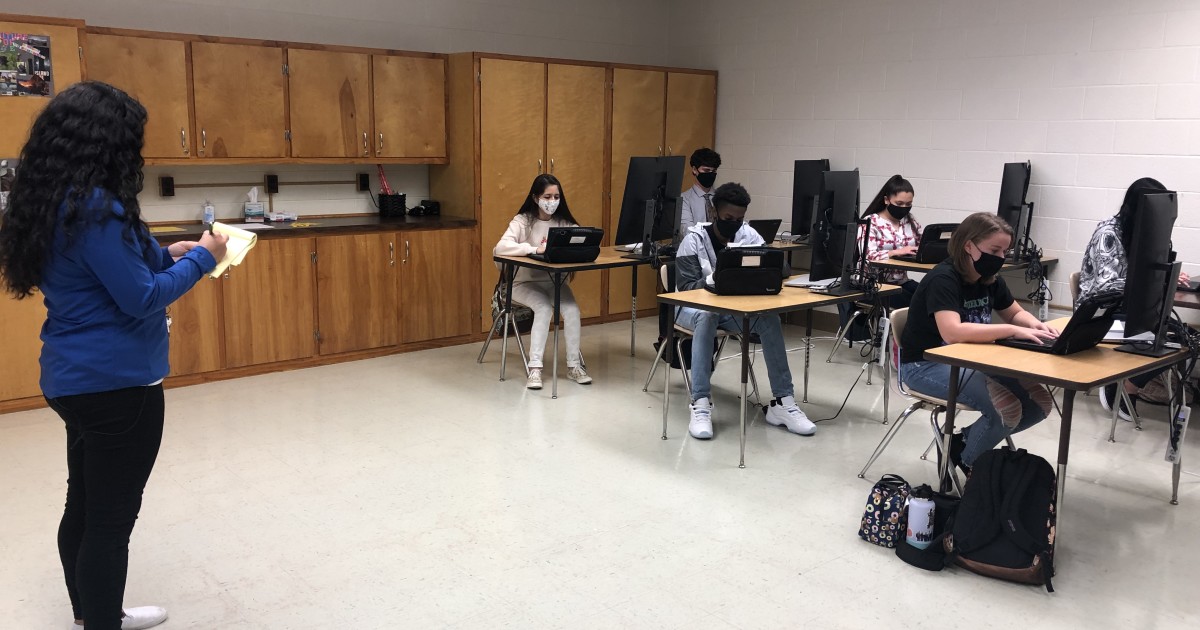
CHESAPEAKE, Va. – The Chesapeake Career Center is filling a critical need by training the next generation of 911 emergency dispatchers.
They want to make sure when the public calls 911, a trained professional is there to answer the call.
After the shooting at Heritage High School in Newport News on Monday and various threats to other schools, News 3 is turning attention to the men and women who answer the 911 calls.
“You don’t know what’s on the other end of that line,” said Samantha Cesil…

by AllThingsECC.com | Sep 24, 2021 | Comm Center News
CHESTERFIELD, Va. (WWBT) – Chesterfield County has adopted another technological enhancement for their Emergency Communications Center.
This system follows the launch of a new computer-aided dispatch (CAD) system in May.
The Automated Secure Alarm Protocol – also known as ASAP – interfaced with CAD, automatically transmits information about an alarm activation as an active call, allowing for police, fire and EMS personnel to be dispatched to Chesterfield residences and businesses…
by ECC Editor | Sep 24, 2021 | Comm Center News, Uncategorized
The new communications center for the Burnet County Sheriff’s Office went online Wednesday, Sept. 22, after four years in the works. According to those in charge, as well as those in front of the microphones, the upgrade is a huge success.
“Burnet County now has a state-of-the-art communications system,” Capt. Chris Jett said. “We are now as good as the agencies to the east of us. This prepares us for the growth that’s coming.”
The dispatchers themselves agree. When asked what they like best about the new equipment and space, dispatchers Katie Fox and Alyssa Rios, who were on duty when DailyTrib.com dropped by, said in unison: “Everything!”
“We have extra screens and more space to do what we need to do to help our officers,” said Fox, who has been a dispatcher for three years… READ MORE
by ECC Editor | Sep 24, 2021 | Comm Center News, Uncategorized
The Federal Communications Commission (“FCC”) has a busy agenda planned for its upcoming September 30, 2021 Open Meeting, which will include two items aimed at stopping illegal robocalls.
First, the FCC will consider a Further Notice of Proposed Rulemaking (“Further Notice”) on Shielding 911 Call Centers from Robocalls. With this Further Notice, the FCC attempts to reduce autodialed robocalls to Public Safety Answering Points (“PSAPs”) while addressing concerns about potential security threats that arise from providing broad access to the numbers on the PSAP Do-Not-Call (“DNC”) registry. It would accomplish this by requiring autodialer users to provide their outbound numbers to voice services providers who would be required to block calls from those numbers to numbers on the PSAP DNC registry… READ MORE
by AllThingsECC.com | Sep 24, 2021 | Comm Center News
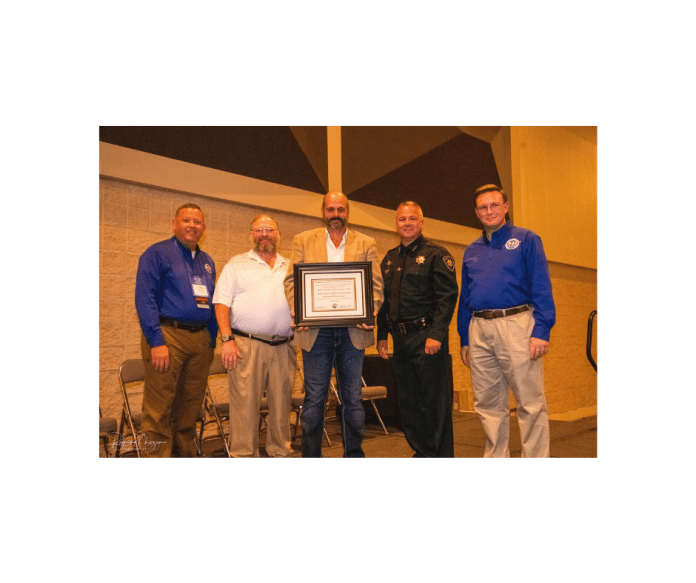
This year at the annual conference, the Tennessee Emergency Number Association (TENA) recognized the Wayne County E911 Center by presenting 911 Director Jimmy Turnbow and Sheriff Shane Fisher with the TENA “Dispatch Event of the Year” award which recognizes the hard work, professionalism and dedication a 911 center displays during a critical incident.
The TENA awards committee reviewed all incidents that were submitted to them, and after review, chose Wayne County to receive the award to recognize the lifesaving efforts displayed on a call that involved a young Wayne County boy in February of 2021…
by AllThingsECC.com | Sep 23, 2021 | Comm Center News
Duggan hired as new EMA director
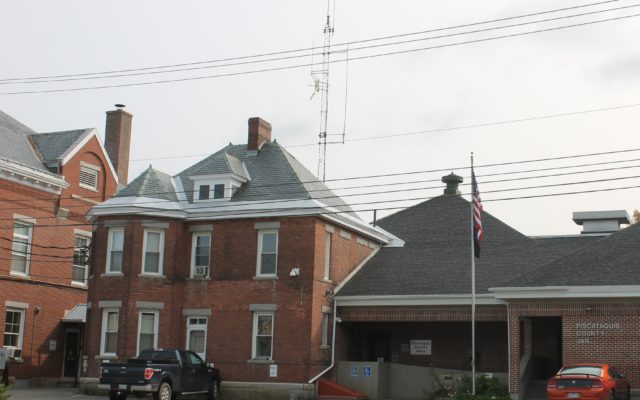
DOVER-FOXCROFT — Those involved in upgrading the county’s public safety radio system agree that improvements are needed, but the question is how the near $5 million cost will be covered.
One option may be to put the project out to bond on the November 2022 ballot, as was discussed during a Piscataquis County Commissioners meeting on Sept. 21
“As you know we had the consultant come up and review our radio system and talk to the fire chiefs,” Piscataquis County Sheriff’s Office Chief Deputy Todd Lyford told the commissioners, with representatives of the Brownville, Dover-Foxcroft, Milo and Monson fire departments in attendance…