Advice from the Dispatcher who Took the First Call on Sunday’s Apartment Fire
MANDAN, ND – Sunday’s fire in Mandan sparked a chain reaction from first responders.
In all the commotion, the heroes coordinating the help behind the scenes are rarely thought of.
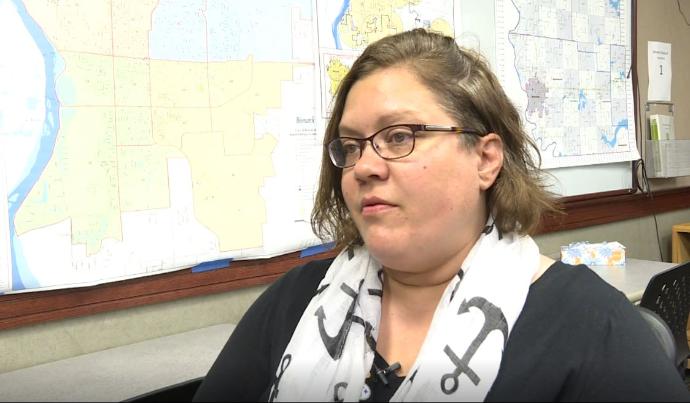
Chantel Hartl, a dispatcher for Central Dakota Communications, took the initial call about the fire at the Sunset Bluffs apartments.
From there, she sent the fire fighters, ambulance, law enforcement, backup, and utilities to the scene.
“I don’t want to say that it’s stressful. There is a high volume of activity initially. Probably, within the first 15 to 20 minutes we had 20 911 calls in that particular incident as well as because we work dispatch for other agencies. That stuff coming into our center as well,” Hartl explains.
Ex-dispatcher upset that Berkeley County altered her resignation letter
MARTINSBURG, W.Va. — When Meghan Dunleavy emailed Berkeley County on July 1 to resign as an emergency dispatcher, she also expressed concern, writing that she was getting away from a “toxic” work environment.
The county last week posted a shortened version of her resignation letter on its website — after deleting her criticism of the department and Berkeley County Central Dispatch/911 Director Mary Kackley.
Berkeley County Council Attorney Norwood Bentley acknowledged the change on Monday, saying the county posted a “redacted version.”
He said the full original email wasn’t released, at least in part, because Dunleavy’s critical statements of Kackley “could potentially be the basis of an inquiry of Ms. Kackley.”
Red Bank Job Opening: Communications Operator/Dispatcher
What does FirstNet ready mean for you?
Obtain these three rights to implement FirstNet into your emergency response communications system
By Tim Nowak
One of the challenges observed after 9/11 concerned emergency response communications … particularly in the presence of a disaster. Congested zones, damage to the infrastructure, inconsistent platforms; these challenges are not only present during a disaster, but also on a daily basis for some communities.
Rush-hour traffic at 4 p.m., providing medical staffing at a professional sporting event, or shuffling through the aftermath of a hurricane or major storm – these are just a few of the seemingly “regular” instances during which many emergency services experience a breakdown in the communications network.
This article was written by Tim Nowak and appears in ems1.com dated July 10, 2019. To read the full article please click on the button below.