At its Nov. 16 meeting, the Buncombe County Board of Commissioners voted to approve an interlocal agreement consolidating 911 services from the City of Asheville and Buncombe County. With this consolidation, Buncombe County will maintain dispatching service to the City of Asheville Fire Department and will expand this service to Asheville Police.
“Through consolidation, we can enhance service provision and ensure our residents have increased access to care and public safety strategies that focus on people first,” said Assistant County Manager DK Wesley. “This consolidation creates a foundation for assuring the most appropriate response to the emergency needs of our residents and visitors while reimagining public safety…
In September, Gov. Kathy Hochul signed into law a bill recognizing 911 dispatchers as first responders. For many on the job, it was a recognition long overdue. It’s a job that has more to it than meets the eye. They’re specially trained on which emergency vehicles to dispatch and sometimes even give lifesaving medical information over the phone.
“Whether they call the emergency line or the non-emergency line,” said Ronald Goossen, a Tompkins County emergency dispatch supervisor. “The dispatchers are the first contact someone has.”
Goossen has been working with emergency dispatch in Tompkins County since 2001. Thanks to a new law from Gov. Kathy Hochul, he, along with all 911 operators, are now considered first responders…
On Dec. 6, Isabella County is switching to a new emergency management alert program called Smart 911.
“We made the move to switch from CODERED to Smart 911 because Smart 911 offers more integrations to the 911 center where we’re dispatching help,” said Isabella County 911 and Emergency Management Director McCarther Griffis. “It also lets the end user. the person signing up, customize what alerts they want to be alerted to, and how.”
That includes weather alerts like flooding or tornados, along with local alerts from Central Dispatch…
“They can select whether it’s watches or warnings they want to be no
WASHINGTON, November 15, 2021–– Experts at a Federal Communications Bar Association event earlier this month said the current funding allocation for next-generation 911 services is inadequate.
Currently, under the Joe Biden administration’s Build Back Better Act, the new 911 services – which will allow people to share videos, images and texts with 911 call centers – is allocated $500 million.
“It’s not enough to fully fund 911,” David Redl, CEO of consulting group Salt Point Strategies, said on the FCBA’s “What Comes Next in 911” panel on November 4. Redl was formerly the head of the Commerce Department’s telecom agency National Telecommunications and Information Administration…
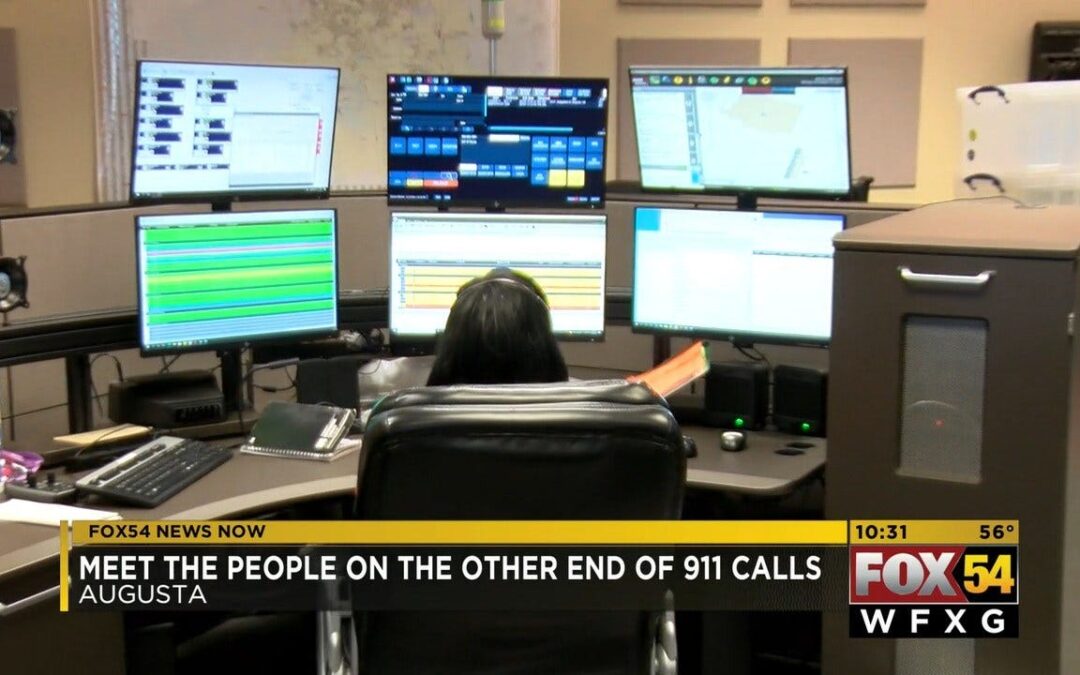
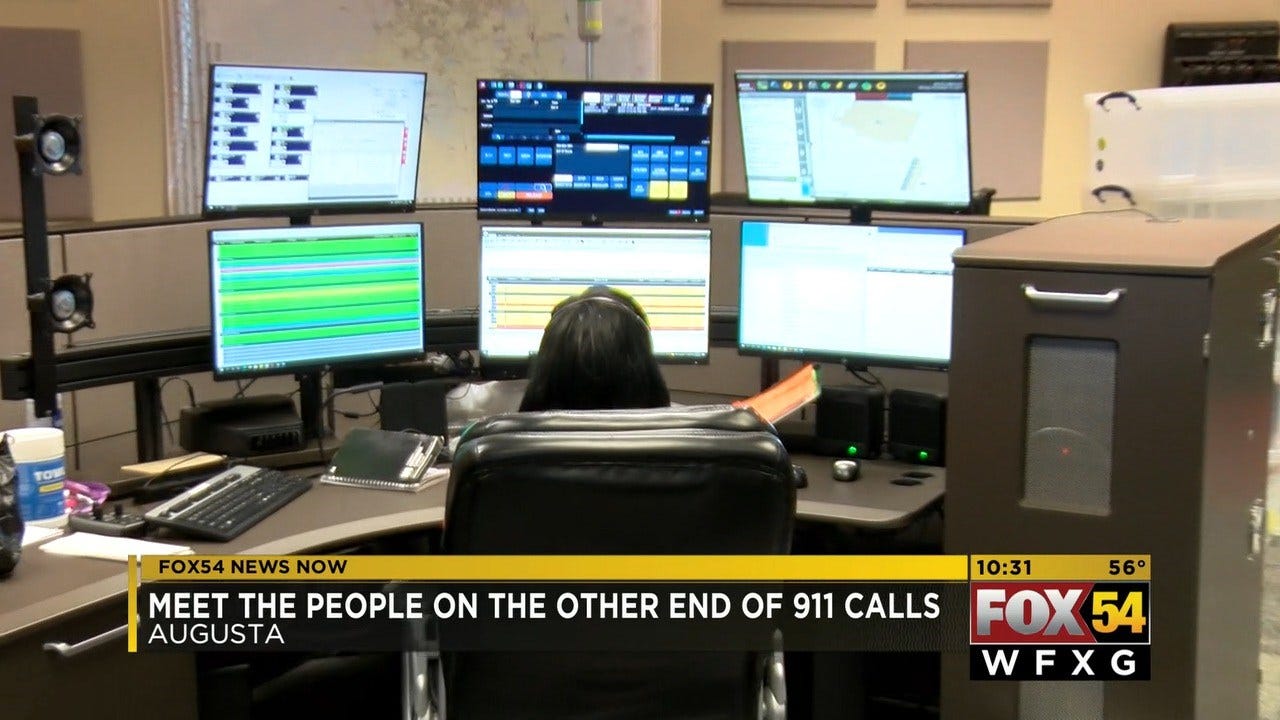
Sanita Cheatham, the Augusta 9-1-1 Center’s Assistant Director, says details are one of the most important things you can tell dispatchers when you call 9-1-1, especially when it comes to a missing child. Some of those details include the last time the child was seen, what they look like, what they’re wearing, and their age, height, weight and hair color. “The more details that we can get is more details we can give those officers,” she says. “So whether they’re en route to the call, they may see this child or a similar description of this child, whether it’s on the side of the road or in someone else’s vehicle…
CHICAGO (WLS) — Some of Chicago’s Office of Emergency Management and Communications staff were honored for their extraordinary work Monday – including the dispatchers who were on the police radio when two officers were shot in August. Keith Thornton Jr. heard the 10-1 call meaning an officer needs help. “Number one priority is officer safety and when I heard those two officers were down I wanted those officers to the hospital right away,” Thornton said.
Thornton said his years of experience as a volunteer firefighter and a police officer prepared him for that moment… READ MORE
Learn about current efforts to continue to protect the 4.9 GHz Band for public safety as well as recent filings, key decisions impacting these efforts, and how you can support PSSA’s initiative to protect the 4.9 GHz band for public safety.