by AllThingsECC.com | Nov 21, 2021 | Comm Center News
CNN has reached out to ParaDocs for comment.
A total of 528 Houston police officers were inside the venue as well as 755 private security personnel and members of the ParaDocs medical team, CNN has reported.
Patrick M. “Marty” Lancton, president of the Houston Professional Fire Fighters Association, said that cellphones are not a reliable communication method during emergencies, given potential signal weakness during events involving large gatherings.
“Seconds matter, minutes matter in emergencies,” Lancton told CNN…
by ECC Editor | Nov 21, 2021 | Comm Center News
MERIDEN — The city’s shortage of full-time emergency communications dispatchers continues, but appears poised to improve.
The spokesman for the union representing dispatchers described the city’s Emergency Communications Center as still “dramatically and dangerously understaffed.” City officials meanwhile appeared more optimistic about the center’s current and future staffing levels.
Despite receiving some relief when other first responders fill dispatch shifts, the spokesman for the American Federation of State, County and Municipal Employees Council 4 Local #1303-405 union, which represents dispatchers, says the center’s small contingent of full-time dispatchers are still bearing excessive workloads… READ MORE
by AllThingsECC.com | Nov 21, 2021 | Comm Center News
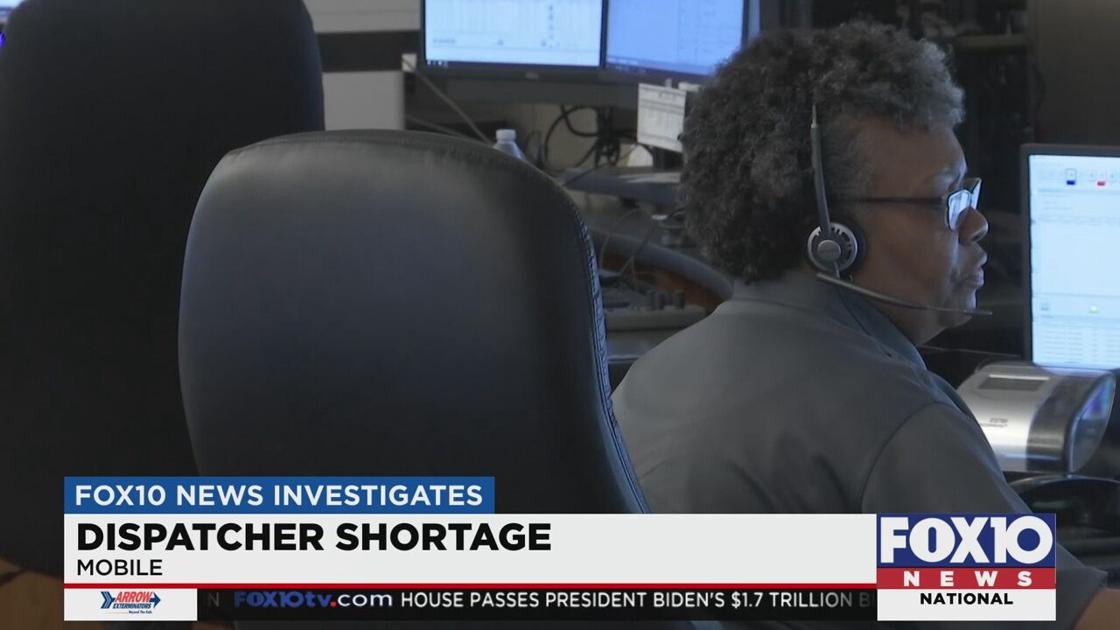
MOBILE, Ala (WALA) – It is a call to serve that drives Mobile Police dispatchers like Coleen Curd to work every day.
“We technically are the first, first responders,” Curd said.
It is a job where seconds matter and can mean the difference between life and death.
Curd is one of 40 Mobile Police operators that answer calls 24-7, 365 days a year…
by AllThingsECC.com | Nov 21, 2021 | Comm Center News
An Apple Valley woman called 911 because she ran out of blood-pressure medicine. A nurse directed her to a nearby medical clinic.
The wife of an 84-year-old man rang up 911 because she wasn’t sure if he took his insulin. Enduring the couple’s bickering, a nurse arranged for a telehealth visit.
And the mother of a 12-year-old boy who slept on his neck wrong called 911, too, with a nurse providing a consultation…
by AllThingsECC.com | Nov 21, 2021 | Comm Center News
House lawmakers today passed a $2.2 trillion reconciliation bill that calls for $500 million to support next-generation 911 (NG911) deployments, but the legislation is expected to face significant challenges in the Senate, and a coalition of public-safety associations described the NG911 funding level as “woefully inadequate.”
House members voted 220-213 in favor of the massive spending plan—reportedly scored by the Congressional Budget Office as a $2.2 trillion measure, rather than a $1.85 trillion package claimed previously—that is central to President Joe Biden’s Build Back Better initiative…
by AllThingsECC.com | Nov 20, 2021 | Comm Center News
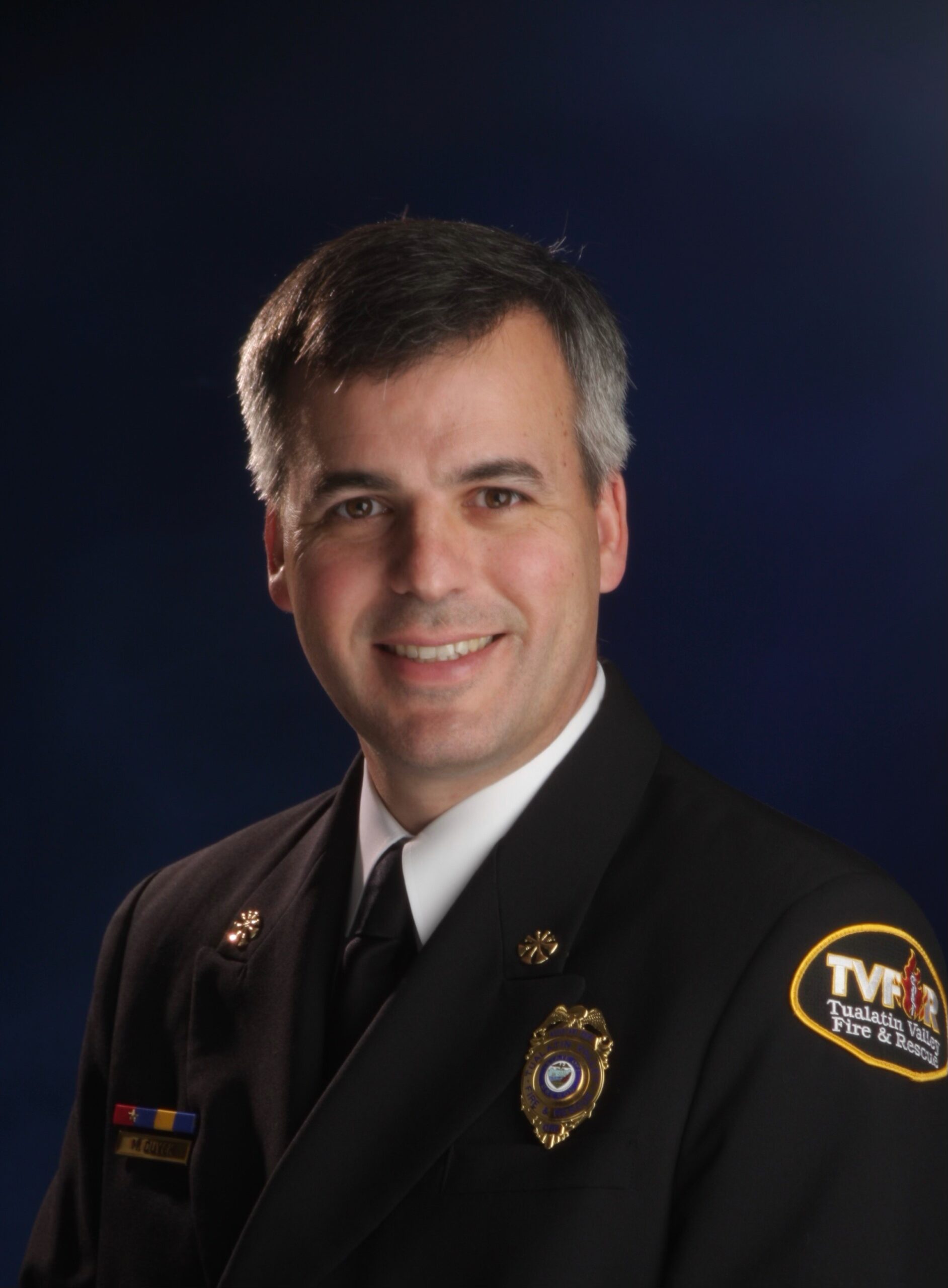
Tualatin Valley Fire & Rescue Chief (ret.) Mike Duyck has been awarded the prestigious Chief Harlin R. McEwen Public Safety Broadband Communications Award (Harlin McEwen Award) for his leadership and commitment to the advancement of broadband communications for public safety personnel across Oregon and nationwide.
The First Responder Network Authority (FirstNet Authority) announced the award at its quarterly board meeting on November 17. The award was created in honor of Chief (ret.) Harlin R. McEwen who was a driving force in the establishment of FirstNet, the nationwide public safety broadband network, and was the founding chair of the FirstNet Authority’s Public Safety Advisory Committee (PSAC)…