More than 10,000 calls warning residents to flee failed when the Waldo Canyon fire exploded near Colorado Springs in 2012. Thousands of people were left without warnings as flames destroyed 347 homes and killed two people.
Emergency alert failures dogged Colorado 10 years before the Marshall fire began its destructive tear through Boulder County, devouring almost 1,100 houses and prompting fresh scrutiny of a system that’s been blamed for failures in catastrophic fires nationwide, a review of after-action reports shows.
State officials say emergency alert systems have come a long way since those disasters. But critics say they remain woefully deficient as landlines become obsolete and technological advancements heighten residents’ expectations that they’ll be warned if they’re in danger…
After 18 years in the market, the latest Skype update finally allows users to utilize the said video conferencing app for emergency calls.
In addition to this, the said Skype 911 call update now lets users to share location. “The three-digit telephone number “9-1-1” has been designated as the “Universal Emergency Number” for citizens throughout the United States to request emergency assistance,” per Nena. The organization added that this is a national phone number that connects people with a Public Safety Answering Point (PSAP) quickly and easily… READ MORE
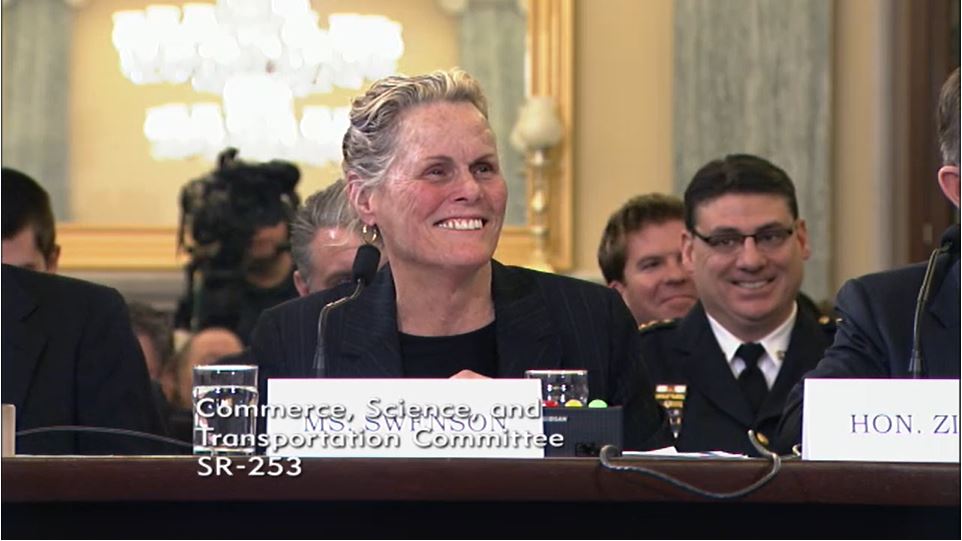
As public-safety officials today commemorate the 10-year anniversary of the FirstNet Authority being created, the deployment of the FirstNet nationwide public-safety broadband network (NPSBN) has proceeded well enough that no one needs to face a firing squad, according to former Authority board Chair Sue Swenson.
“Save it for another time,” Swenson said during a recent interview with IWCE’s Urgent Communications, noting that the initial five-year FirstNet buildout is expected to be finished this year. “I had forgotten that we can tell people that we don’t have to shoot them now.”
Of course, Swenson was joking—gunfire was never an actual threat. But it was Swenson who famously stated “we should be shot” if FirstNet was not completed as planned in 2022 while testifying before the Senate Commerce Committee almost seven years ago…
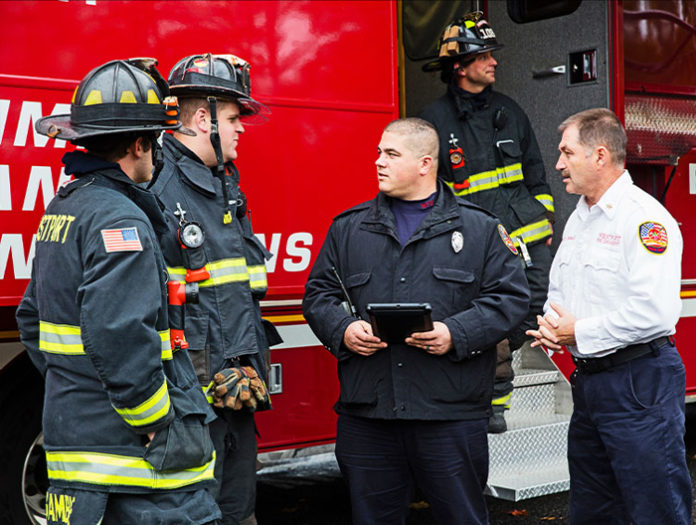
America’s Public Safety Network Surpasses 2.81 Million Square Miles, Expands First Responder Access to 5G and Strengthens Commitment to Mission-Ready Infrastructure (Courtesy of FirstNet and AT&T)
In the nearly 5 years since AT&T was selected by the First Responder Network Authority (FirstNet Authority) to build and operate FirstNet®, the company moved quickly to bring more coverage, boost capacity and drive new capabilities for first responders and the communities they serve, whether they be rural, urban and tribal.
To date the public safety community on FirstNet has access to the nation’s largest coverage footprint, reaching more than 2.81 million square miles across the country. That means they cover more than 50,000 square miles above that of the largest commercial networks (about the size of Alabama), enabling more first responders access to an entire ecosystem of innovative solutions to keep them mission ready…
TOPEKA, Kan. (WIBW) -Several spoke Monday in favor of Senate Bill 491, which would allow first responders to receive workers’ compensation benefits if they develop PTSD on the job.
Senate Bill 491 would allow workers compensation benefits for treatment, time off, or changing roles if the current role is too stressful.
The bill currently includes law enforcement, fire, and emergency medical services. Some supporters also want to include dispatchers… READ MORE
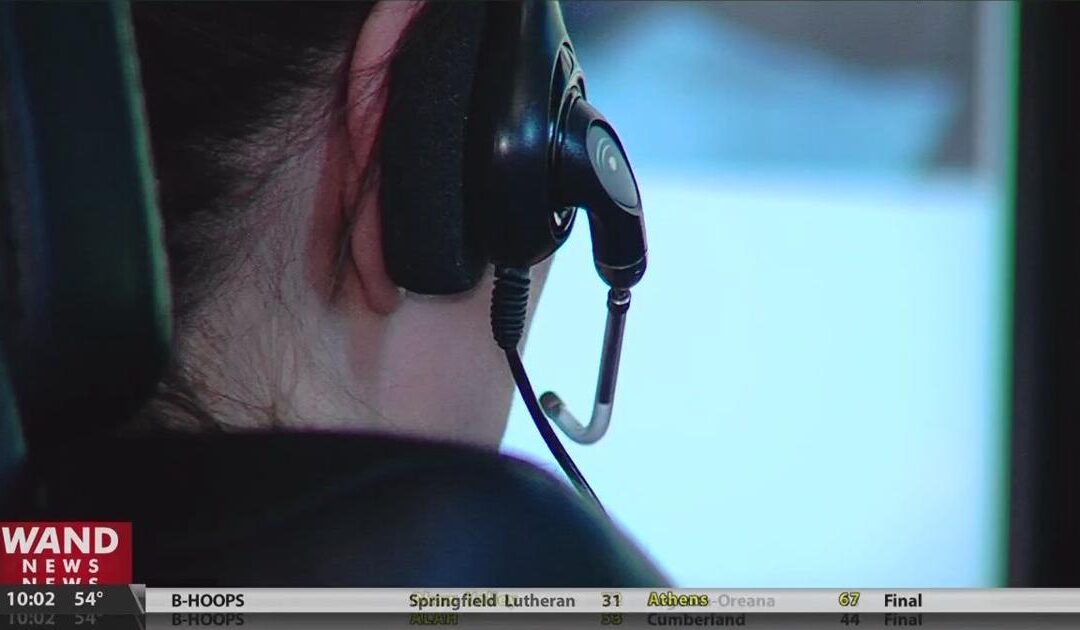
(WAND) – Emergency dispatchers are the first to answer the call for help. But in Illinois, they are categorized as clerical staff – not first responders.
Now, a bill moving through the Illinois Senate could change that.
“Dispatchers are the lifeline, the vital lifeline really, between our citizens and the emergency services that they need,” Desir’ee Wright, communications supervisor for the Central Illinois Regional Dispatch Center (CIRD), told WAND News…
Learn about current efforts to continue to protect the 4.9 GHz Band for public safety as well as recent filings, key decisions impacting these efforts, and how you can support PSSA’s initiative to protect the 4.9 GHz band for public safety.