by ECC Editor | Nov 9, 2021 | Comm Center News
ST. LUCIE COUNTY, Fla. (CBS12) — A St. Lucie County Fire District 911 Telecommunicator answered the call of her life over the weekend.
Leeann Suit tells CBS12 News she has answered many calls in her nearly 18 years as a 911 dispatcher.
But, none have been quite like the one she answered on Saturday… READ MORE

by AllThingsECC.com | Nov 9, 2021 | Comm Center News
Atlanta Police said a water leak caused the problem on Sunday night.
ATLANTA — Atlanta’s 911 operations are moving back into their main facilities after they were forced to make adjustments due to a water leak at the Public Safety Center Sunday night.
The water leak also impacted calls to Atlanta 311. Mayor Keisha Lance Bottoms thanked the city for its patience in a tweet Monday evening.
“911 remains operational and is currently transitioning back into their primary facilities,” Bottoms said. “311 is fully up and running…
by AllThingsECC.com | Nov 9, 2021 | Comm Center News
WEXFORD COUNTY, Mich., (WPBN/WGTU) — Woman and her husband were on their way to the hospital but her baby had other plans.
Early Saturday morning a baby was welcomed into the world in an exciting way.
Soomin Czelusta delivered her baby on the way to the hospital with her husband on the phone with Grand Traverse-911 Dispatcher, Kelly… READ MORE
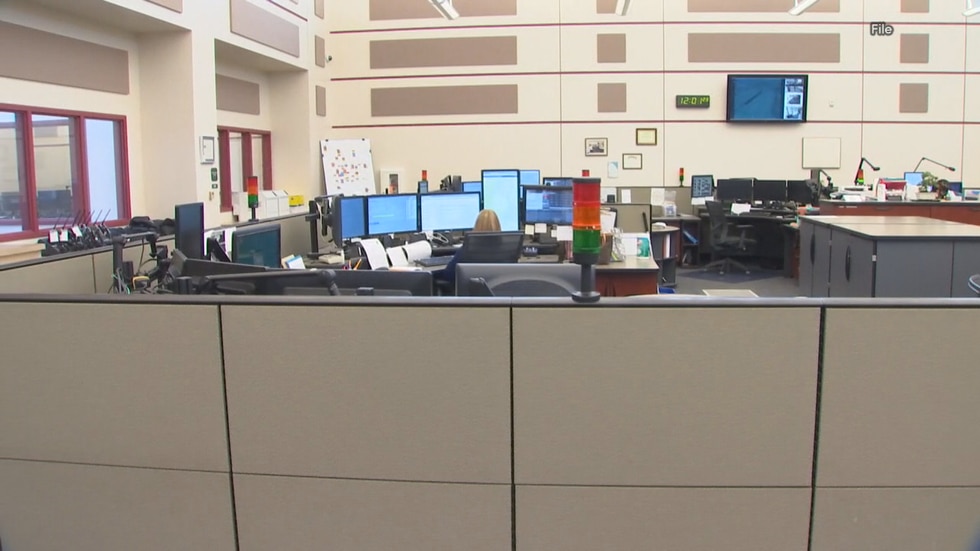
by AllThingsECC.com | Nov 9, 2021 | Comm Center News
BROWN COUNTY, Wis. (WBAY) – Help wanted.
It’s beginning to sound like a broken record as nearly every industry struggles to fill job openings.
The people who answer your 911 calls are no exception.
But the longer those jobs stay vacant, the more stress for those who are covering the calls.
And that’s prompting many veteran employees to call it quits…
by AllThingsECC.com | Nov 9, 2021 | Comm Center News
Perquimans County is replacing aged-out equipment in the 911 emergency communications center.
The county Board of Commissioners approved budget amendments for the project at the board’s regular meeting Nov. 1.
“We are pleased to be able to proceed with this much-needed equipment upgrade in the 911 Center and appreciate the continued support of the county commissioners to provide quality services for our citizens and visitors,” said Jonathan Nixon, director of Perquimans County Emergency Services.
County Manager Frank Heath explained to the board that the funds are for upgrading the radio consoles in the 911 center…
by ECC Editor | Nov 9, 2021 | Comm Center News
For the next year, people in crisis in downtown Toronto who call 911 for help will be better connected with the appropriate mental health supports they need.
Earlier this week, Toronto Police Service (TPS) and Gerstein Crisis Centre (GCC) launched a one-year 9-1-1 Call Diversion Pilot Project.
This new service, which comes in response to calls from the mental health community to reform policing response in this city, will now see crisis workers respond to non-emergency mental health-related calls, instead of police officers… READ MORE