by AllThingsECC.com | Jun 9, 2021 | Comm Center News
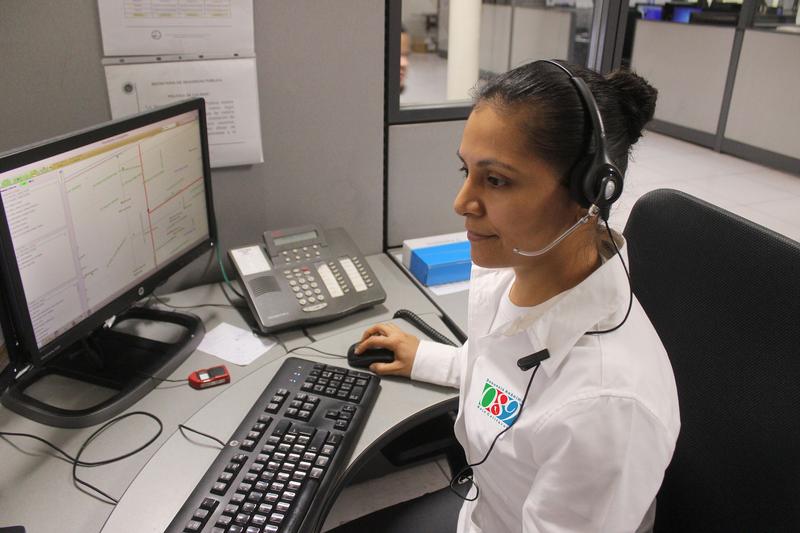
Suffolk County lawmakers want New York to pass a bill that would officially recognize emergency service dispatchers as first responders before the state legislative session ends Thursday.
Lawmakers and union leaders said recognition is long overdue for Suffolk dispatchers like Stephanie Bukowinski. She said she assisted in the successful delivery of a baby girl over the phone last week.
“We are the very first person you talk to. You are not seeing us, may not see us, but we are there. We are the first on the front line,” Bukowinski said…
by AllThingsECC.com | Jun 9, 2021 | Comm Center News
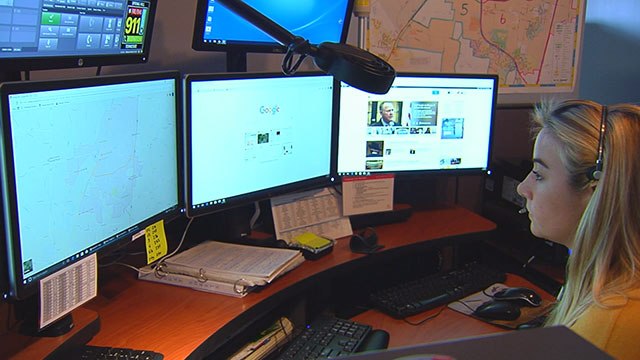
NASHVILLE, Tenn. (WKRN) — The sound of gunfire outside of Bar Louie in the Gulch sent customers running and desperately calling for help. However, witnesses tell News 2 they had trouble getting connected to 911 dispatchers.
“It wouldn’t go through,” said Tim Davis, who was at the restaurant when the shooting occurred. “We had bars. We had Wi-Fi. All of that.”
News 2 inquired and found out a surge in 911 calls forced dispatch phone lines to back up.
“This is a common occurrence for us,” said Stephen Martini, director of the Metro Emergency Communications Center. “This probably happens multiple times — three, four, five times a week in Metro Nashville…
by AllThingsECC.com | Jun 8, 2021 | Comm Center News
Hillsborough County residents can now Text-To-911 for help. The Text-To-911 program is already available in surrounding Tampa Bay counties like Pinellas and Citrus.
Text-To-911 is not meant to replace calling 911 but to help make it easier for those who are deaf or hard of hearing, those with a speech disability, those who are in a situation where a traditional call is too dangerous, or if you do not have phone reception. Text-To-911is another tool to help keep all residents safe…
by AllThingsECC.com | Jun 8, 2021 | Comm Center News
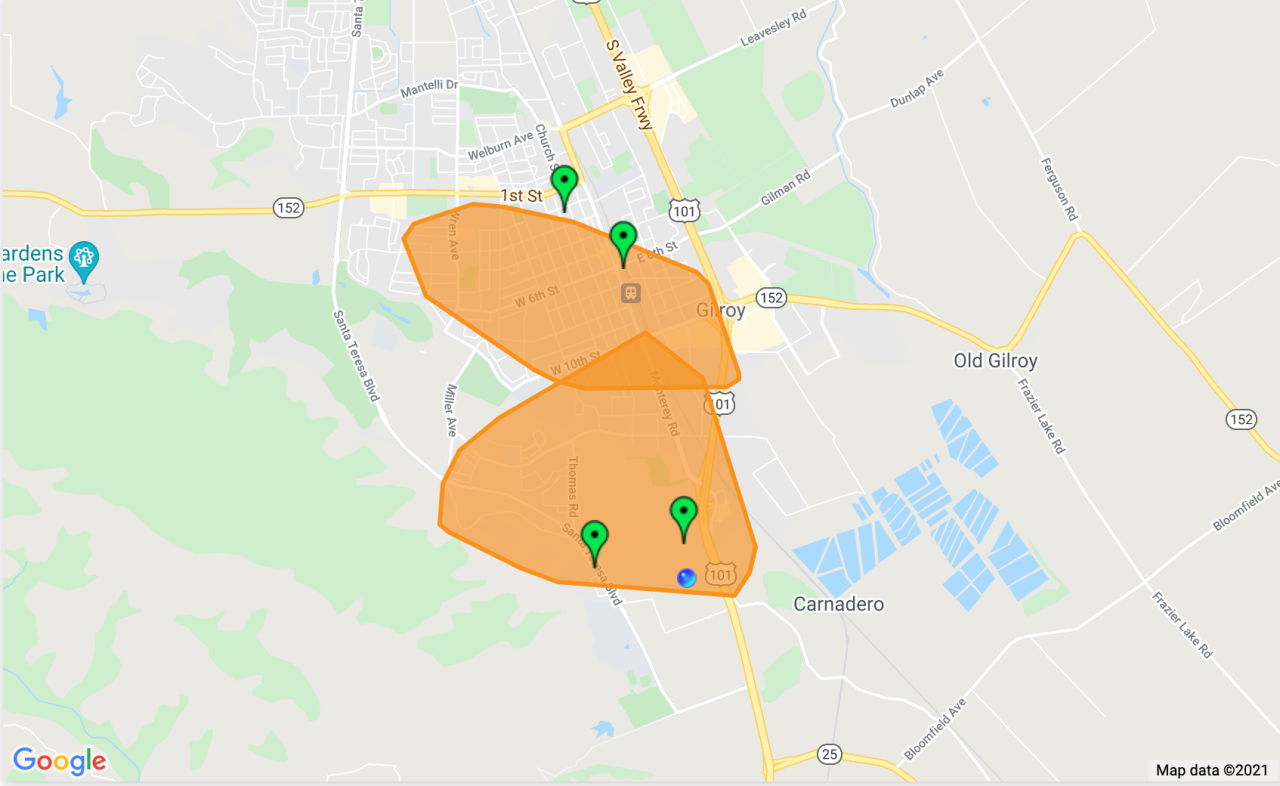
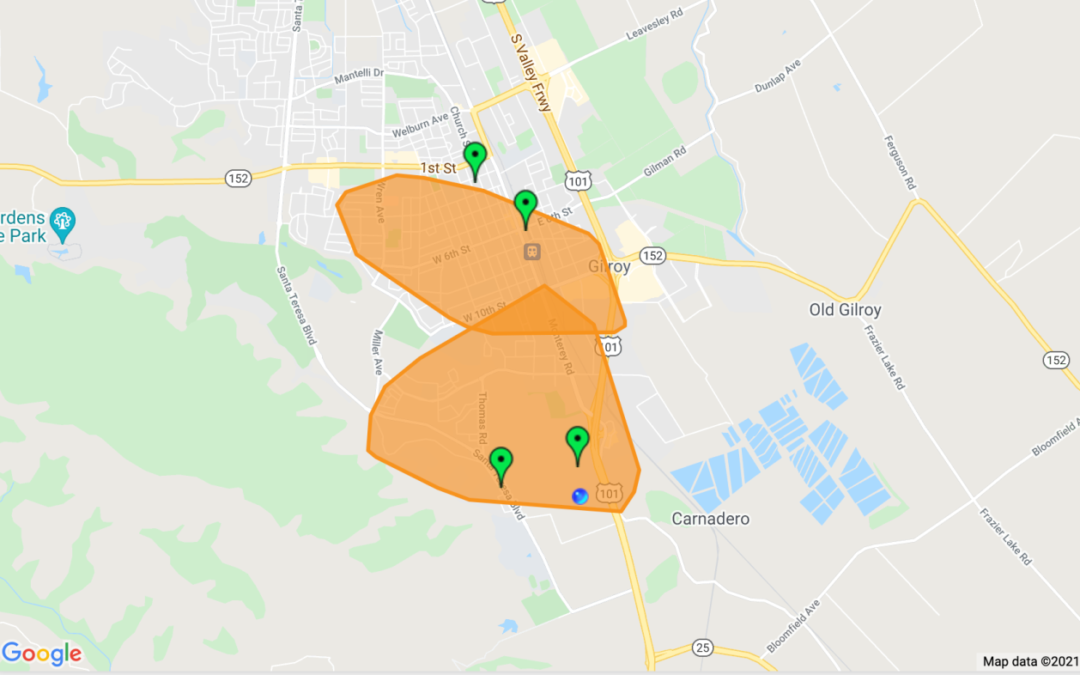
GILROY, Calif. (KTXL) — A large power outage in Gilroy has temporarily taken out traffic lights throughout the city and affected the emergency communications center.
Pacific Gas and Electric’s outage map shows two major power outages that started around noon, impacting over 5,700 customers.
PG&E says it expects the power to turn back on around 3:30 p.m…
by AllThingsECC.com | Jun 8, 2021 | Articles, Comm Center News
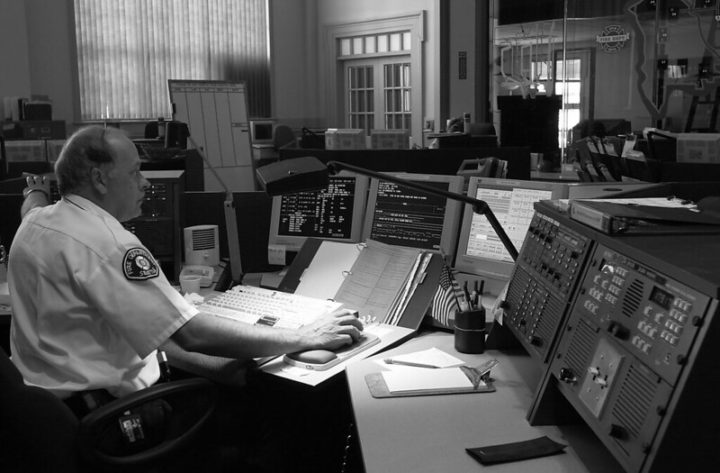
Thirteen cities have completed an eight-week “policy-sprint” to develop programs to create an emergency response that assigns civilian mental health counselors to respond to 911 calls, CNN reports.
The Alternative Dispatch Programs, developed by Everytown For Gun Safety and What Works Cities, is aimed at reducing the burden of police who ordinarily respond to such calls. Organizers say it will help save lives, and save cities money.
“Not everyone has the perfect answer but having conversations, finding possible ways to work through this, is the start,” said Naureen Kabir, a senior policy adviser at Everytown, a gun violence prevention group…

by AllThingsECC.com | Jun 8, 2021 | Comm Center News
In an emergency, dispatchers are the key link to getting a person the help they need right away.Baldwin County Sheriff Bill Massee believes those women and men who answer such calls and serve the community in so many other ways day and night and all holidays included, are the unsung heroes of the community.“They all do an outstanding job for us,” Massee said. “We couldn’t do our jobs without them.”
Mandy Ptak, who serves as director of the Baldwin County 911 Center, along with the sheriff were the recent guests at a meeting of the Baldwin County Board of Commissioners where Ptak provided government leaders some insight into what has been going on at the 911 center…