by AllThingsECC.com | Jun 17, 2021 | Articles, Comm Center News
Since the build-out of the FirstNet network began, many federal, state, and local public-safety agencies have become part of the growing number of entities using this Nationwide Public Safety Broadband Network (NPSBN).
According to the latest FirstNet (Built with AT&T) report, 16,000+ agencies are using the network and more are joining every month. During the last eighteen months, there were concerns that broadband networks might experience some difficulties keeping up with demand due to Covid-19 and so many people working and studying from home. More and more agencies signed up with FirstNet for interoperability between agencies and to benefit from the increased capabilities provided by AT&T’s rapid build-out of public safety’s 20 MHz of 700-MHz spectrum and access to all of AT&T’s LTE spectrum…
by AllThingsECC.com | Jun 17, 2021 | Comm Center News
Curney a dispatcher for Grady EMS told Jones she heard a call about an accident while at work and didn’t think much of it. “But when my grandmother called me I immediately knew that it was my baby, Curney said.
The chain of events began when the driver of a white car, identified as Kelly Canty, crossed the center line on Donald Lee Hollowell Parkway Tuesday afternoon, and the rig hit it.
The semi-truck driver swerved to avoid hitting more oncoming cars and crashed into the parked cars in the parking lot, police said. Zion Curney died from massive head injuries, his 14-year-old cousin suffered a broken hip, according to officials…

by AllThingsECC.com | Jun 17, 2021 | Comm Center News
NICE (Nasdaq: NICE) today announced that the City of Philadelphia, the sixth largest city in the U.S., has selected NICE Inform Elite to enhance emergency communications for its new 911 center slated to open in 2022. NICE’s next-generation 911-ready technology will enable the center to improve operational performance by streamlining auditing of 911 calls for quality assurance and by eliminating manual processes involved in reconstructing incidents. The implementation of NICE Inform Elite is part of a larger, multi-year initiative by the City to upgrade its 911 infrastructure and technology to enhance emergency communications and better serve the citizens of Philadelphia. The newly-renovated Philadelphia Public Safety Building will consolidate 911 communications for the Philadelphia Police Department and Philadelphia Fire Department under one roof…
by AllThingsECC.com | Jun 15, 2021 | Articles, Comm Center News
The newly created Albany County Crisis Officials Responding and Diverting (ACCORD) program designed to improve outcomes for nonviolent emergency calls into County dispatch is rolling out Friday as a pilot program in the Hilltowns. The initiative is a multi-agency partnership that will team up County social workers and paramedics to provide an appropriate response unit for those in need of assistance where a law enforcement presence is unnecessary.
“This multi-faceted program is a common sense upgrade of the way that nonviolent calls for emergency assistance are handled in Albany County,” said Albany County Legislature Chairman Andrew Joyce. “When we conceptualized this program last fall we wanted to ensure that people got the proper help they needed and that our police force was freed up to focus on upholding the law. Now more than ever, our deputies should be preventing and responding to crime…

by AllThingsECC.com | Jun 15, 2021 | Comm Center News
RALLS COUNTY, Mo. (WGEM) — Have you ever accidentally called 911?
If it happens to you, authorities in the Tri-States are asking you to just stay on the line.
Ralls County Sheriff Brad Stinson said they’ve seen a lot of 911 hang up calls in recent weeks.
He said if you do call 911 on accident it’s important to let the dispatcher know it was not on purpose so they don’t have to investigate it and use up resources they could be using elsewhere…
by AllThingsECC.com | Jun 15, 2021 | Comm Center News
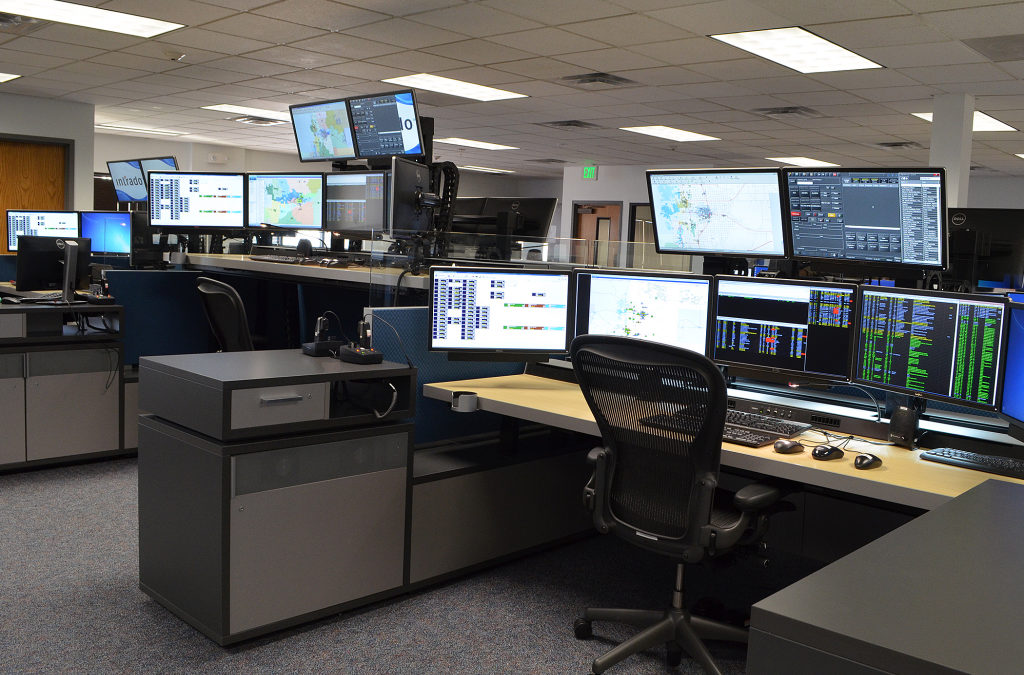
The Weld County’s Department of Public Safety Communications honored three dispatchers from the Weld County Regional Communications Center for their heroic efforts in saving two lives and helping bring a baby safely into the world.
A Weld County Board of Commissioners news release Monday discussed the three people’s efforts that have impacted the lives of many in Weld County…