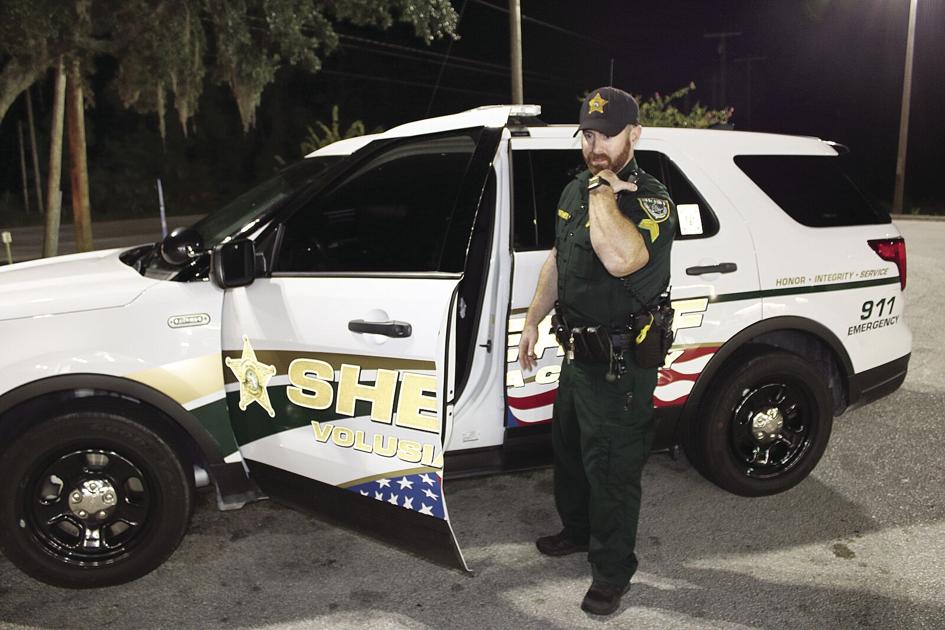
Combing the woods on a call for shots fired, Sgt. Robert Mitchell has two invaluable tools to protect himself and the residents he swore to protect: his gun and his radio.
The sergeant was relieved to hear the County Council recently approved new radios with better reception for first responders. Sgt. Mitchell sometimes deals with scratchy reception on his beat in rural southeastern Volusia County.
“It makes for a very challenging circumstance when you can’t transmit what’s going on to everyone around you,” said the Volusia County Sheriff’s Office sergeant. He explained, most complaints of gun fire are hunters too close to a residence…
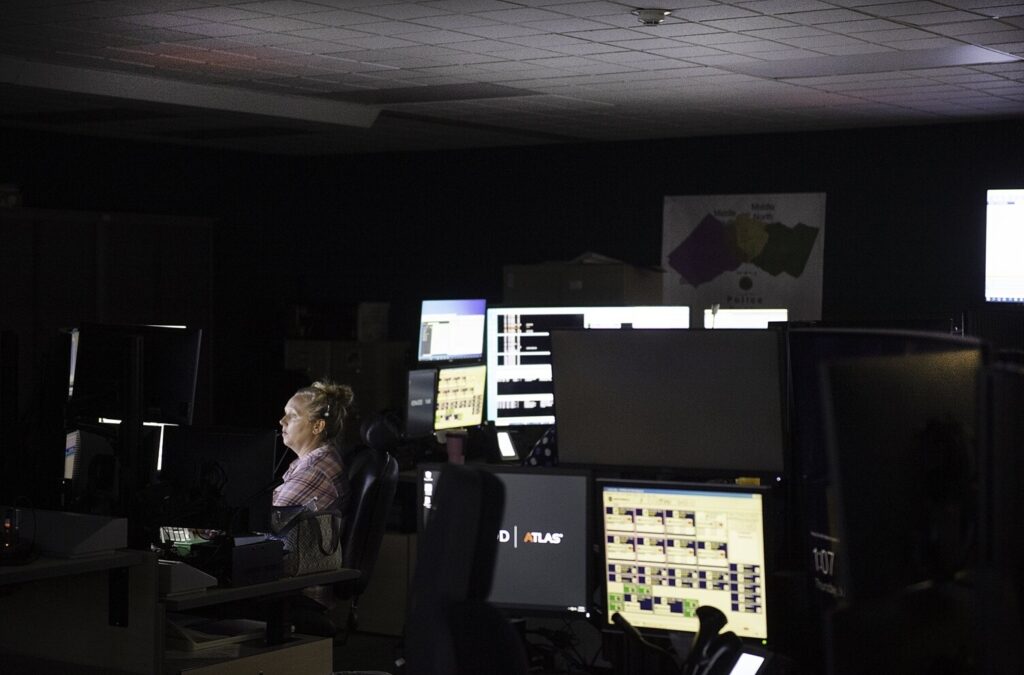
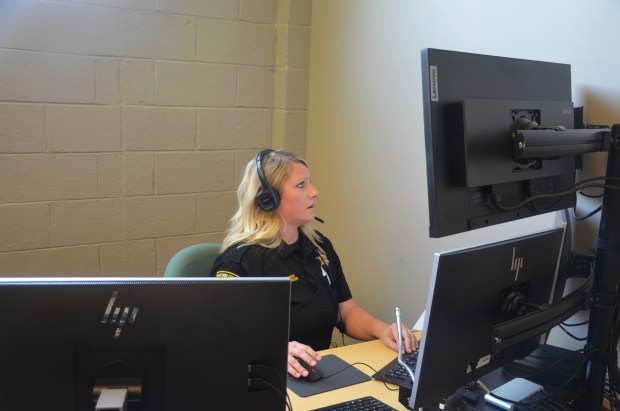
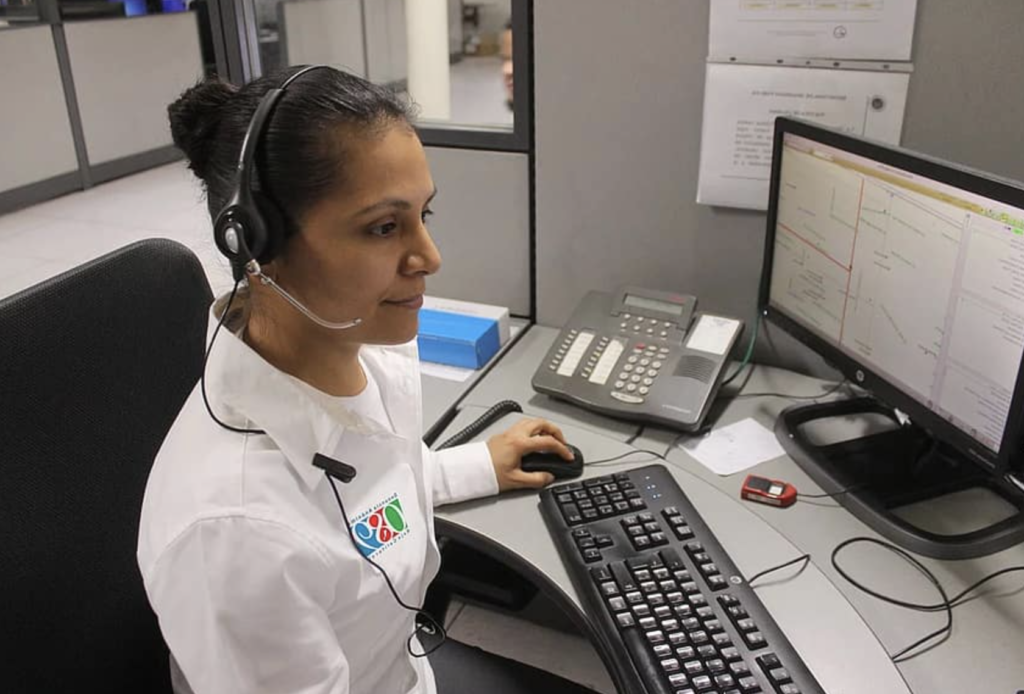
Between documenting resources that are available, logging important timestamps, fielding phone calls from utility companies, giving information to responding units and talking to victims, dispatching emergency services amid a rapidly evolving event can be a difficult assignment—and that’s not to mention the stress of trying to help someone in the middle of what might be the worst day they’ve ever experienced.
It wasn’t that long ago when dispatchers did their work in emergency communication centers (ECCs) using analog phones, taking notes on paper documents. These days, incidents can be tracked with GIS technology, messages can be sent via text, video footage can streamed in from automated drones and, as of this week, all of it can be seen on a single screen…
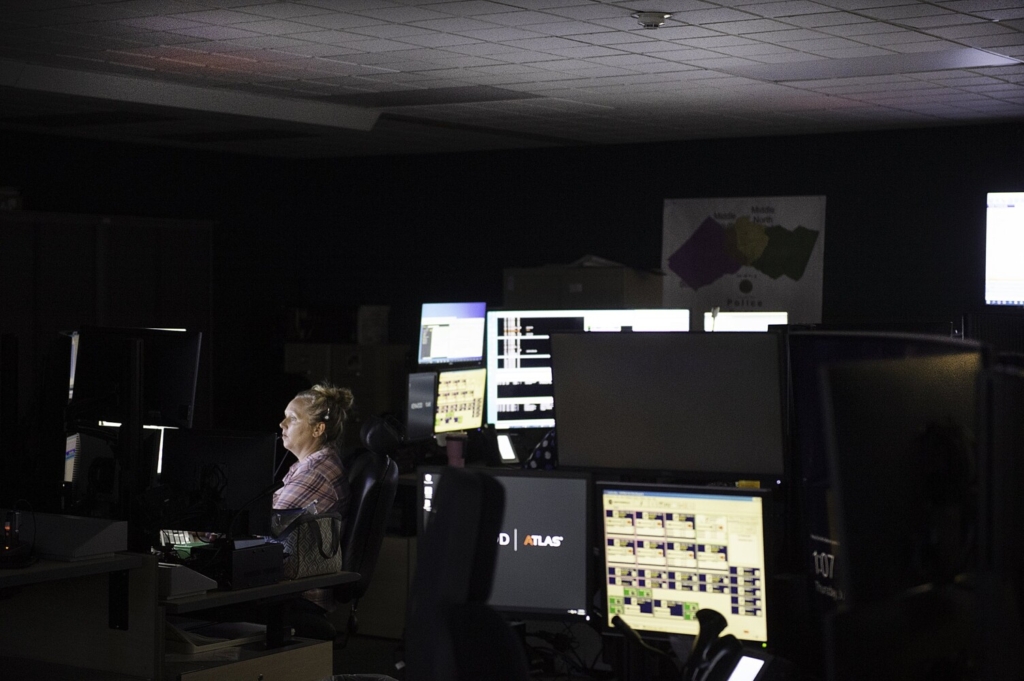
Jen Beal monitors information Thursday during her shift inside the Lewiston-Auburn 911 Center in Auburn. Daryn Slover/Sun Journal
AUBURN — County taxes in Lewiston and Auburn help pay for the Androscoggin County emergency dispatch center, but the service is not offered to the Twin Cities residents.
In addition to subsidizing the county’s emergency communication center, Lewiston-Auburn residents pay for their own 911 center.
Under a proposal brought forward by Androscoggin County Sheriff Eric Samson and Paul LeClair, the director of Lewiston-Auburn Emergency Communications System, the two facilities would merge under the county’s jurisdiction…
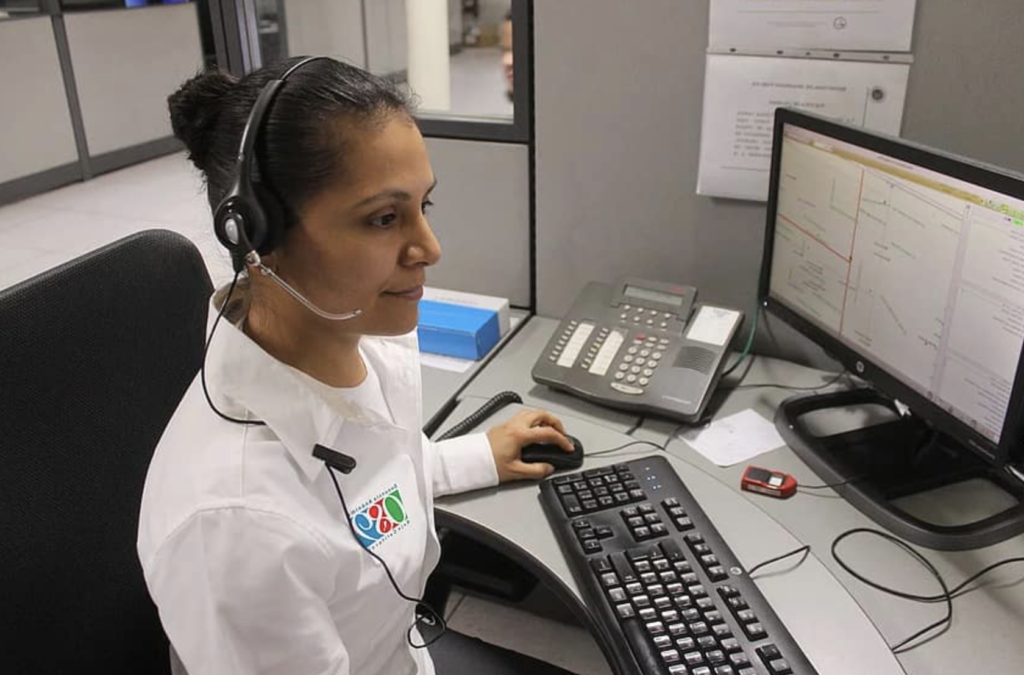
Macomb County has completed work on a new training center that will help prepare new dispatchers for emergency work.
The center was opened in April at the Macomb County Emergency Management and Communications Technical Services Building on Dunham Road in Mount Clemens. It will provide innovative training programs to police, fire and EMS dispatch workers through live scenarios and state-of-the-art technology. The center will work in partnership with the Public Service Institute at Macomb Community College, where students will complete classwork before utilizing the center for additional training. Dispatchers enrolled in the college’s Basic Emergency Telecommunicator Course will also be able to utilize this center as part of their program…
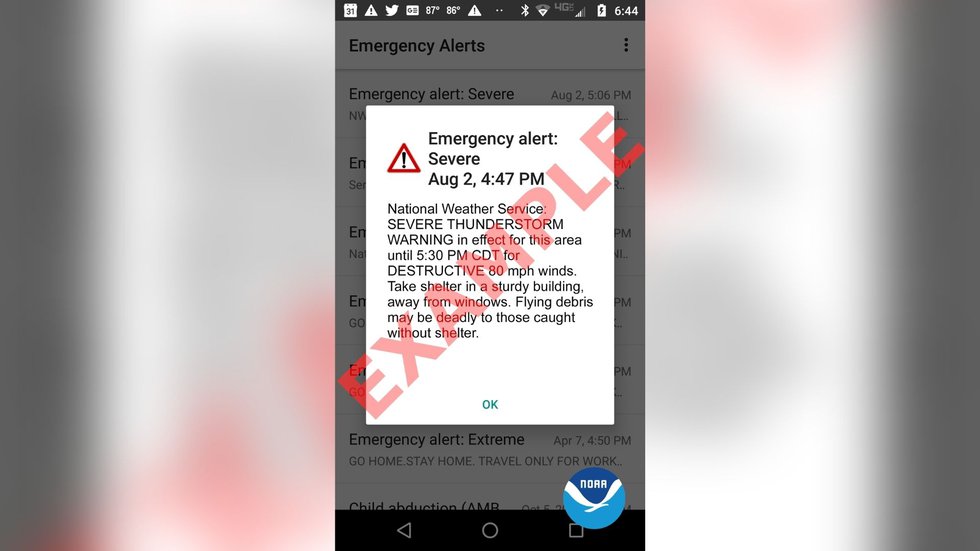
MEMPHIS, Tenn. (WMC) – The Mid-South has its share of severe thunderstorm warnings in a give year. The National Weather Service plan to better communicate the severity and potential impacts from severe thunderstorm wind and hail by adding a “damage threat” tag to Severe Thunderstorm Warnings starting July 28th, 2021. Severe Thunderstorms deemed “destructive” will activate a Wireless Emergency Alert (WEA) on smartphones.
Wireless Emergency Alerts (WEAs) are short emergency messages from authorized federal, state, local, tribal and territorial public alerting authorities that can be broadcast from cell towers to any WEA‐enabled mobile device in a locally targeted area. Wireless providers primarily use cell broadcast technology for WEA message delivery. WEA is a partnership among FEMA, the Federal Communications Commission (FCC) and wireless providers to enhance public safety…
Washington D.C.’s 911 center is faced with a severe staffing shortage as violent crime surges in the nation’s capital.
Last week, only 50 percent staff availability led the emergency agency’s interim director, Cleo Subido, to implement mandatory overtime, as first reported by STATter911.
“We are committed to following the rules and being transparent about it,” Subido wrote to employees. “Anything that gets in the way of us improving performance, treating each other with respect, providing our responders and constituents with the care they deserve, or meeting the objectives of our mission — I will handle without delay…
Learn about current efforts to continue to protect the 4.9 GHz Band for public safety as well as recent filings, key decisions impacting these efforts, and how you can support PSSA’s initiative to protect the 4.9 GHz band for public safety.