by ECC Editor | Jul 5, 2020 | Articles, Comm Center News
Imagine yourself as a law-enforcement dispatcher. The hours are long, and don’t expect a nine-to-five schedule. The stress is high. Your every action on the radio and phone is scrutinized. Maybe you save a life, and if you cannot through no fault of your own, there’s still the “what-if-I’d-only” thoughts that will never quite quit drifting around in your mind.
The job isn’t the best paying, either, but then dispatchers don’t really see the work as a job. To them, their efforts are a high calling… READ MORE
by AllThingsECC.com | Jul 2, 2020 | Articles, Comm Center News
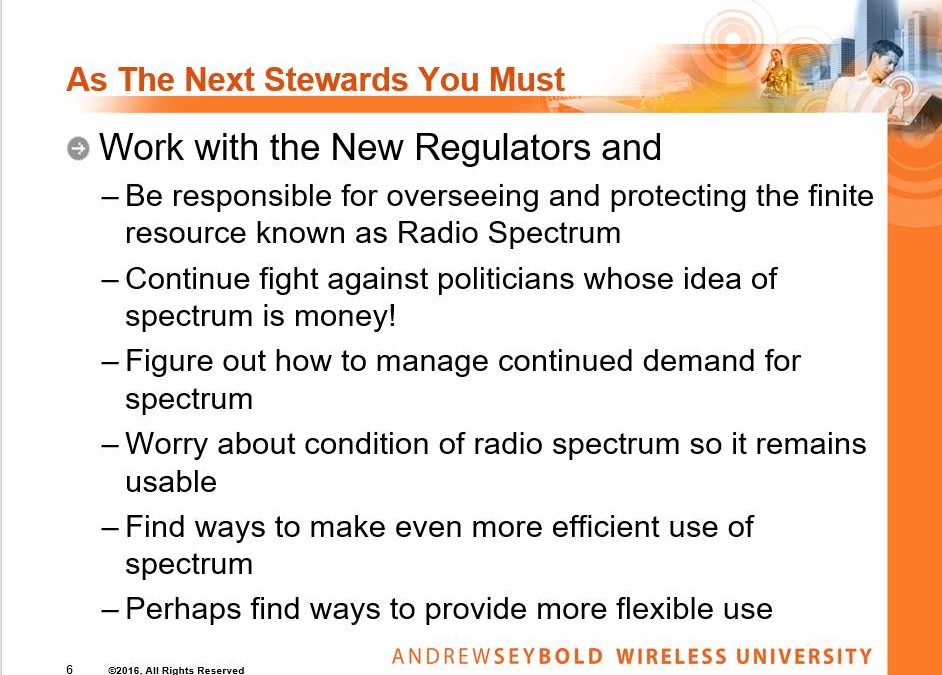
This week’s Advocate opens with a discussion of a recent article in Urgent Communications based on statements made by the Public Safety and Homeland Security Bureau. “FCC officials are taking a new approach to public-safety spectrum policy, abandoning exclusive-use airwaves in favor of multi-purpose broadband frequencies that can be leveraged to support wireless communications for both first responders and the general public, according to an FCC official.”
Next we will look toward the future of public-safety communications as I believe they will evolve from today to where it might be later in the 25-year FirstNet contract for network build-out and management services…
by AllThingsECC.com | Jul 2, 2020 | Articles, Comm Center News
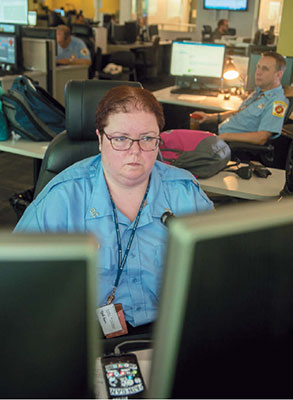
Studies show that ECC telecommunicators are faced with higher levels of stress than ever with insufficient resources to handle them.
In the course of your responsibilities as a 9-1-1 call taker or emergency dispatcher, have you ever experienced physical or emotional effects such as a fast heart rate, clammy palms, thinking about calls after work, trouble sleeping, or avoiding calls or friends?
by AllThingsECC.com | Jul 2, 2020 | Articles
With lockdowns beginning to ease, government agencies are taking a hard look at their emergency management and alert systems and finding that there’s a lot more more power in Short Message Service than meets the eye.
Text messaging may appear to be one of the least glamorous functions of a cell phone, but it’s potentially the most powerful, according to Michael Hallowes, managing director of Zefonar Advisory Group and the former National Director of Australia’s Emergency Alert Program…
by AllThingsECC.com | Jul 1, 2020 | Articles
Every year, the United States faces deadly hurricanes, wildfires, and other grave disasters, which require a well-coordinated emergency response effort to save lives and mitigate the destruction. Communication is critical in implementing such a response, from the local communities up to the FEMA Director and the President…
by AllThingsECC.com | Jul 1, 2020 | Articles
By Sandy Dyre
 Courtesy of DATAMARK
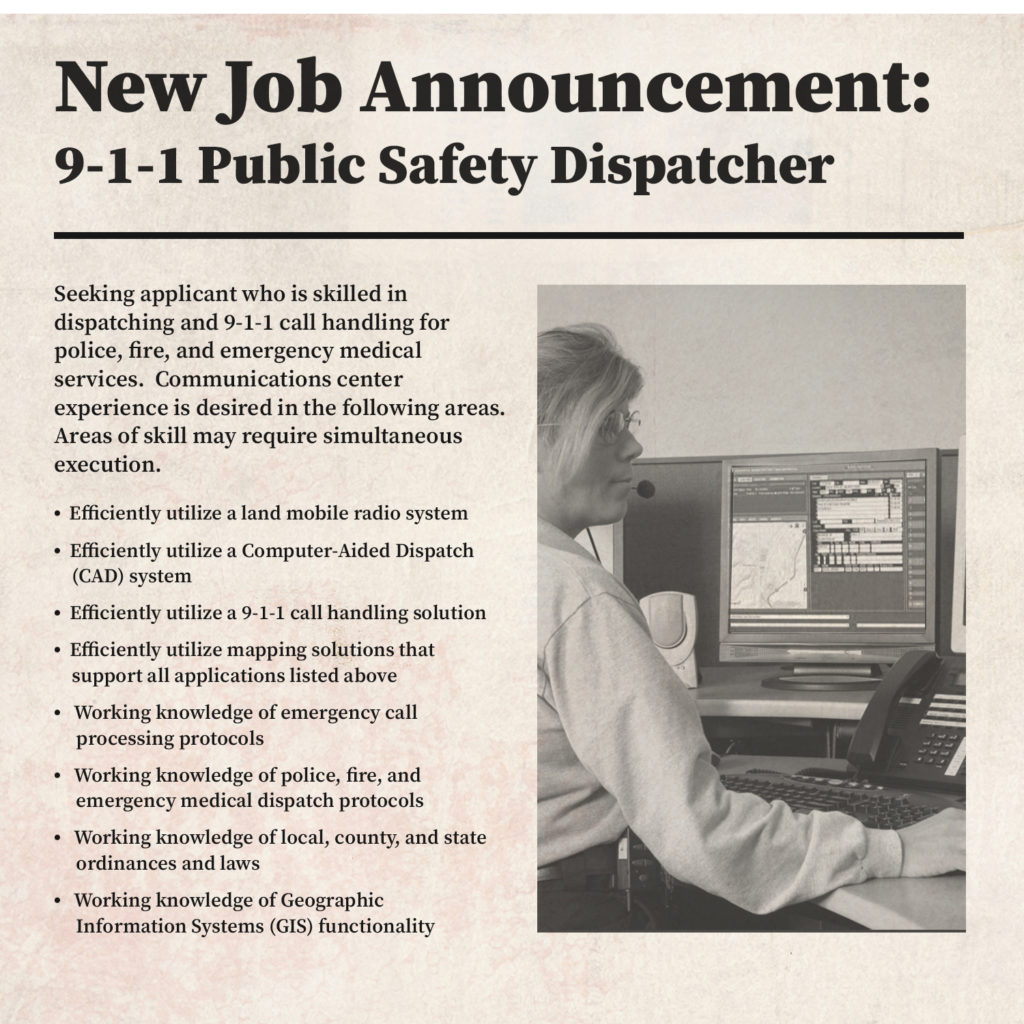
GIS is dispatching
Anyone who is an advocate for education and knowledge for public safety 911 professionals knows that with the right instruction, information, and tools, the public safety 911 dispatcher can be the determinant between a “good call” and a “bad call” as the ability to understand the situation, coordinate the resources, and provide valuable information is necessary. To best prepare our dispatchers to support the 911 call and the first responder, they are provided the tools and knowledge needed to be successful…