by AllThingsECC.com | Jun 1, 2021 | Articles, Comm Center News
FirstNet is much more than a wireless broadband network for first responders. It’s an entire ecosystem of solutions that includes FirstNet Certified™ and FirstNet Verified™ apps to help first responders do their important work. And the Mission Critical App Webinars give us some real-life examples of how agencies put them to use.
Through these webinars, Mission Critical Communications highlights the robust ecosystem of apps already helping public safety agencies automate, simplify, and digitize their difficult work. Mobility and security experts thoroughly evaluate every included solution…

by AllThingsECC.com | Jun 1, 2021 | Comm Center News
Sun Prairie Emergency Medical Service (EMS) recently announced it is supporting the American Heart Association and its important mission to increase survival from cardiac arrest by promoting National CPR and AED Awareness Week June 1-7.
“We are asking all members within our community to join us in our efforts to make Sun Prairie a heart-safe community,” remarked Sun Prairie EMS Chief Brian Goff.
Sun Prairie area residents can assist in making the community heart-safe by undertaking these heart-safe steps..
by AllThingsECC.com | Jun 1, 2021 | Comm Center News
People in Gallatin County can now text 911 for emergency assistance if they’re in a situation where talking is dangerous or where cell phone service isn’t strong enough to support a phone call.The county booted up its text-to-911 system for public use for the first time Tuesday morning, after a lot of testing and training for dispatchers and penning new policies for using the new system.“The most bang for our buck is in search and rescue situations where we might not have a strong enough signal to get a phone call out, but there is a chance to get a text message out,” said Gallatin County 911 Director Tim Martindale at a Tuesday news conference. “I think we’re going to see a lot of benefit…
by AllThingsECC.com | Jun 1, 2021 | Comm Center News
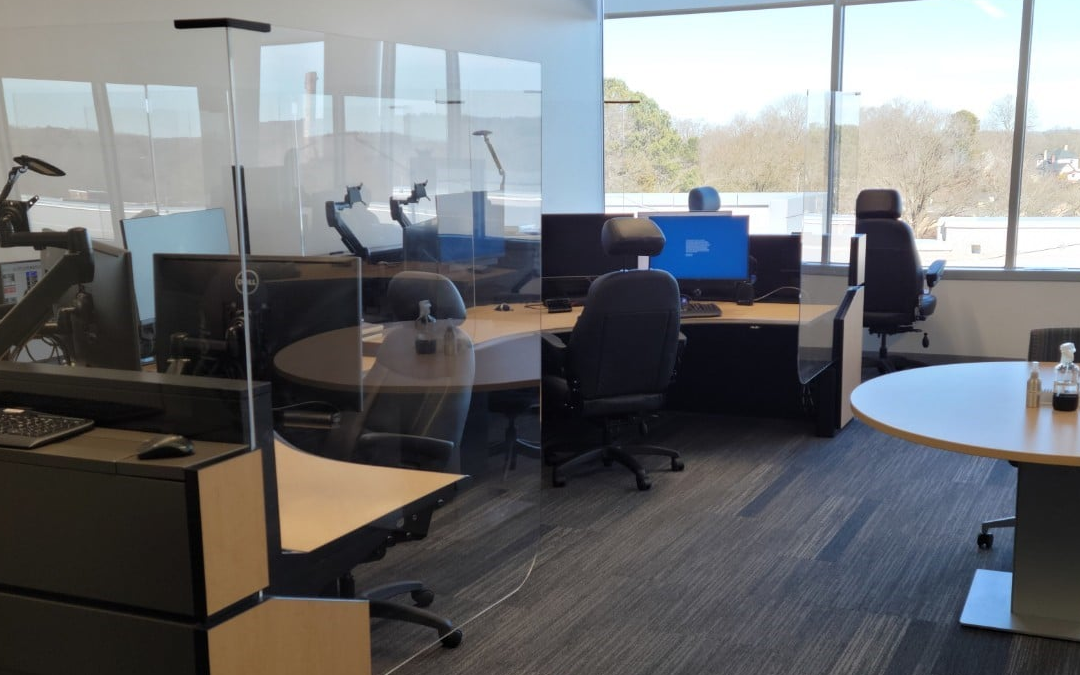
May 31—Durham firefighters reported at least 46 dispatching errors or concerns this year, after staffing shortages at the city’s 911 center forced Raleigh operators to answer nearly 1 in 10 incoming calls.
There were 26 vacant positions out of a total of 60 at the Durham Emergency Communications Center, a city spoksperson told The News & Observer this month. Three of 18 call-taking positions were vacant, she said.
Since December, about 9% of Durham’s calls have been routed to the Raleigh-Wake Emergency Communications Center, according to the city. Calls ring for about 30 seconds in Durham before automatically transferring to Raleigh…

by AllThingsECC.com | Jun 1, 2021 | Comm Center News
The federal government says it is working towards creating a minimum of one emergency communication centre (ECC) in each state next year.
Isa Pantami, minister of communications and digital economy, disclosed this at the launching of the national policy on virtual engagements in federal public institutions and the official commissioning of digital economy projects, in Abuja on Monday.
The minister said 23 ECCs have been commissioned in the last two years, adding that 13 others are underway.
Pantami said the ECCs will operate with toll free number to allow citizens report issues of security among other emergency cases…