SPRINGFIELD, Mass. (WWLP) – It’s National Public Safety Telecommunicators Week.
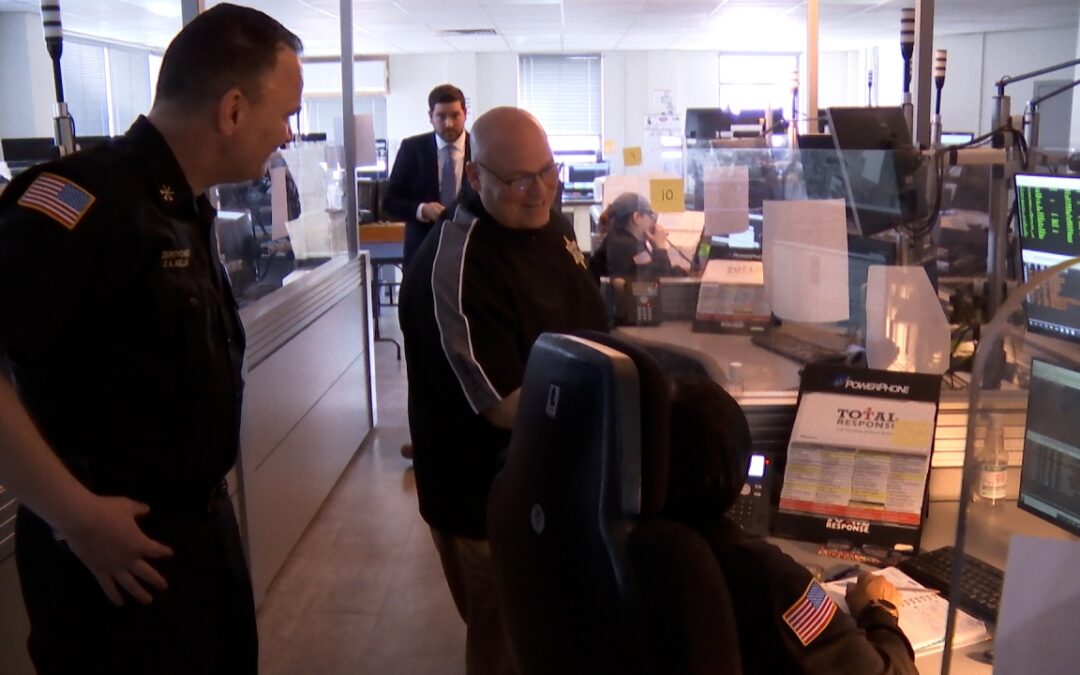
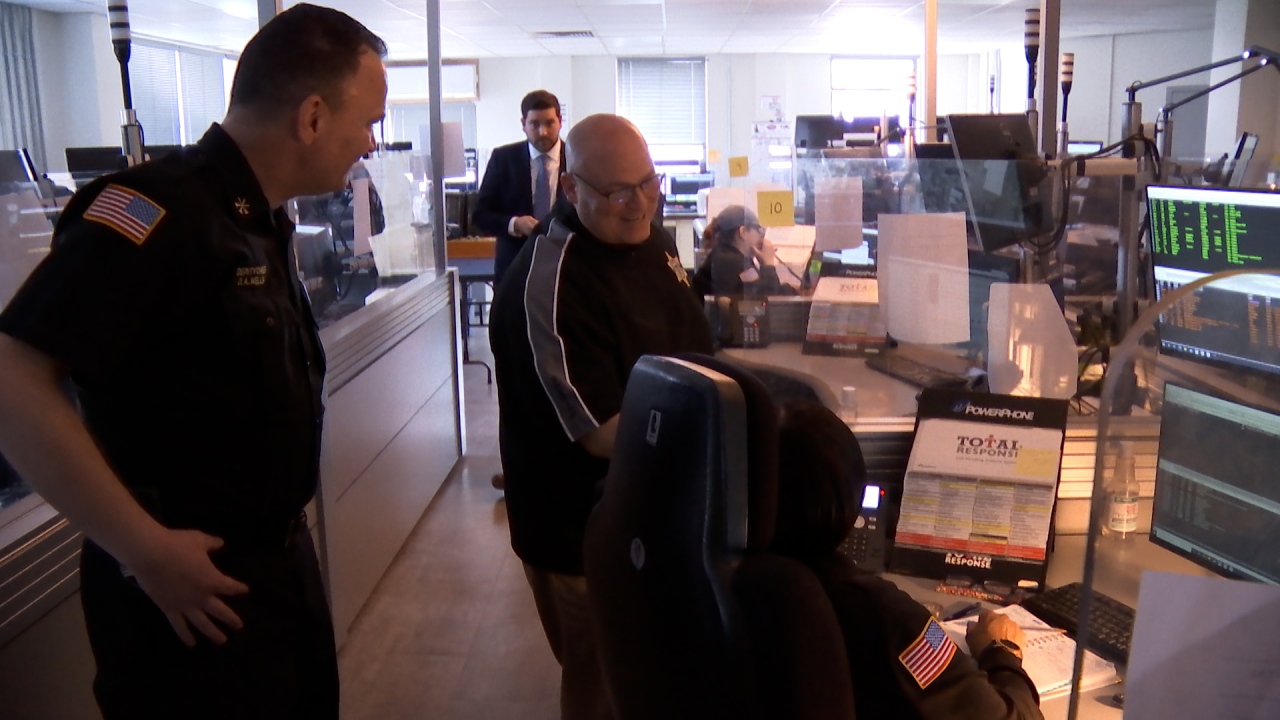
Hampden County Sheriff Nick Cocchi paid a visit to the Springfield Emergency Communications Dispatch Center Wednesday to honor the workers who help others in their time of need. He told 22News this week is about thanking the people who answer those crucial 911 calls and dispatch emergency services to the community.
“These men and women that dispatch are the ones who get the fire department to your house, the police officers to your neighborhood, they get the ambulance to your loved ones. It doesn’t happen without these men and women. And I’m just here today to say thank you,” he said…
Sierra Vista, Ariz. (KOLD News 13) – On Tuesday the Cochise County Board of Supervisors approved the use of $2,240,000 in American Rescue Plan Act (ARPA) funds to provide county residents with quicker 911 response times through dispatch technology improvements.
It’s called the Fire Station Alerting System project. It was proposed by Sierra Vista Fire and Medical Services and Fry Fire District.
It will include software installation and technology upgrades for all fire stations and special districts within Cochise County to increase the overall effectiveness and efficiency of dispatch centers…
Habersham is celebrating the dedication and life-saving work of its E-911 dispatchers this week during National Public Safety Telecommunicators Week.
The second week of April marks National Public Safety Telecommunicators Week, sponsored by the Association of Public-Safety Communications Officials (APCO) International. The week honors the thousands of E-911 telecommunicators who respond to emergency calls and dispatch emergency services.
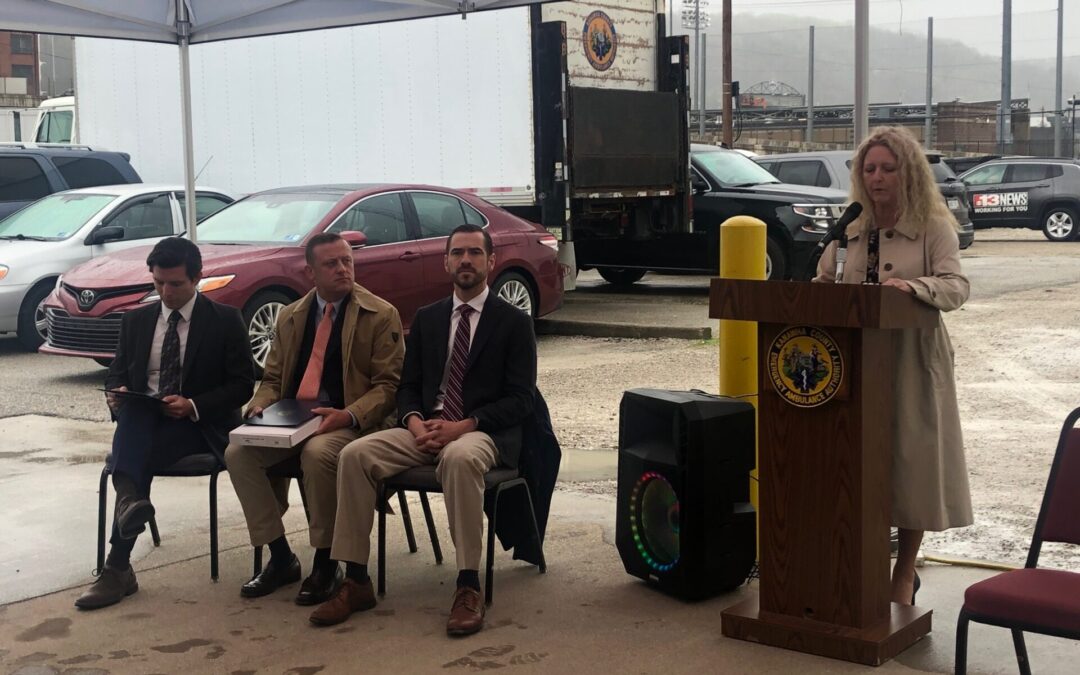
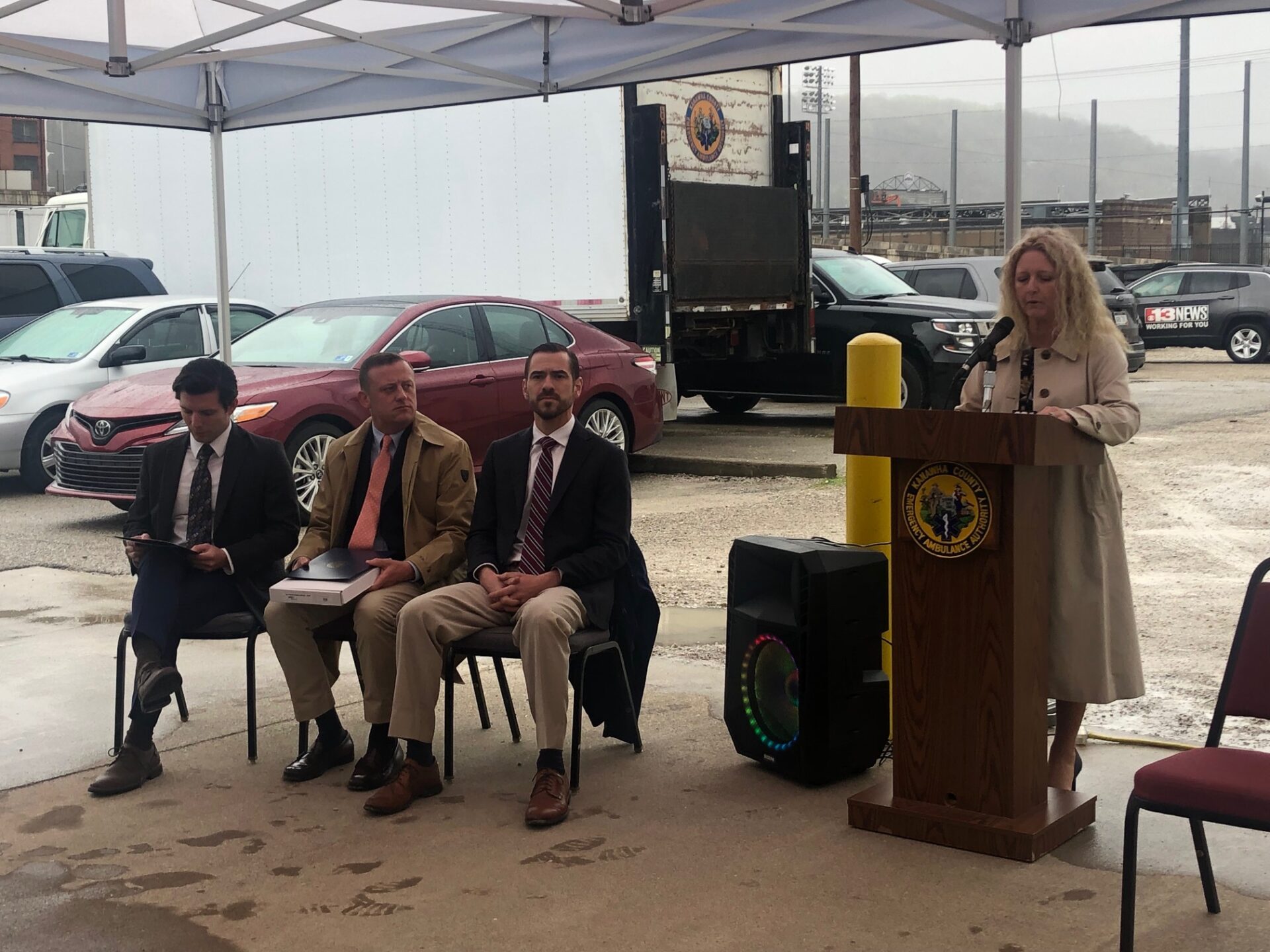
KCEAA Executive Director Monica Mason speaks during a ceremony Thursday.
CHARLESTON, W.Va. — The Kanawha County Emergency Ambulance Authority (KCEAA) presented its new Public Safety Communications Tower on Thursday as part of National Public Safety Telecommunications Week.
This project was a coordinated effort done by KCEAA, the Kanawha County Commission and Kanawha County Metro 911, with officials from all parties at a ceremony at the Brooks Street headquarters.
Mason said it’s a great day for Kanawha County and telecommunicators in the area. The tower completes the countywide communications network of towers and replaces a tower that was at the end of its life…
Learn about current efforts to continue to protect the 4.9 GHz Band for public safety as well as recent filings, key decisions impacting these efforts, and how you can support PSSA’s initiative to protect the 4.9 GHz band for public safety.