LANSING, Mich. (WILX) – Following the death of George Floyd last year, some Americans have been looking closer at how police respond to emergency calls.
In 2020, Ingham County Dispatch received over 150,000 calls to 911. Not all of those needed a police or fire department response.
The Lansing Police Department started a trial run of using non-emergency responders three years ago. LPD was the first in the state to have a social worker embedded in their department…
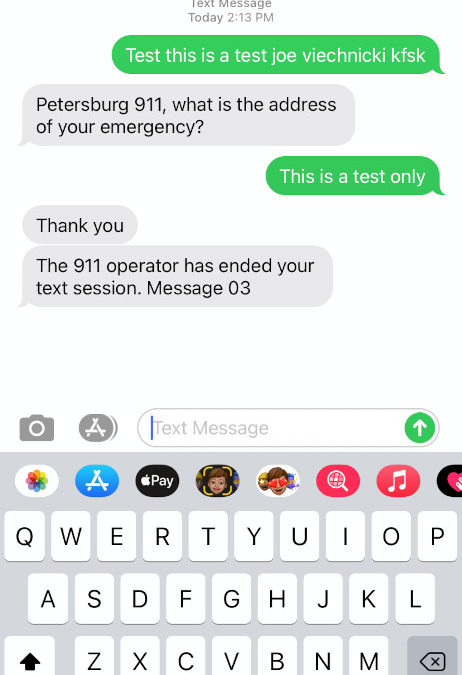
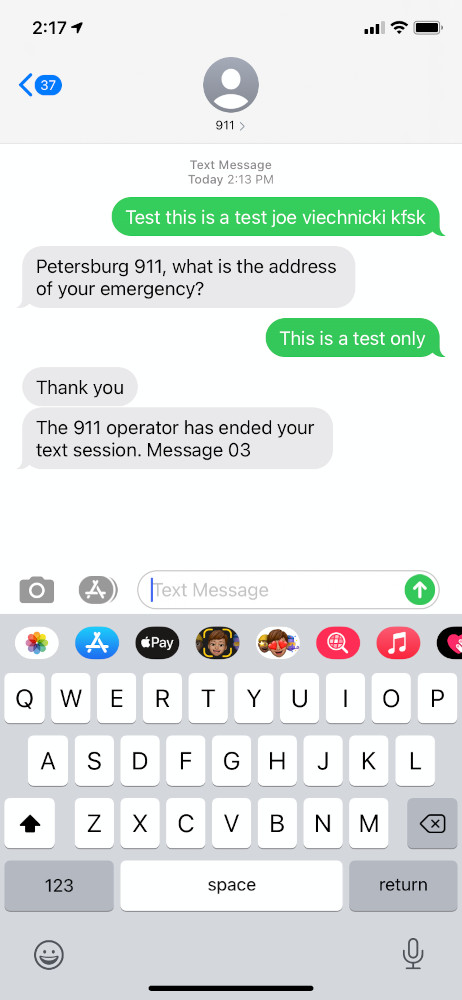
Petersburg police are now able to receive text messages to 911 from some people with cell phones.
Police chief Jim Kerr said this text-to-911, as it’s called, went live Tuesday for customers of AT&T. It won’t be available for cell phone users with GCI service until later this summer.
“Just like you’re going to send a regular text message, you text 911 and then you put your message in like you would anything else and you can have a text message conversation with my dispatchers so that they can get help on the way to you,” Kerr explained Wednesday…
COLUMBIA – Multiple Boone County health organizations are coming together to educate and arm the public with tools to improve the survival odds of cardiac arrest.
MU Health Care, Boone County Joint Communications, Boone Health Ambulance Service, Boone County Fire District, Columbia Fire Department, and the Southern Boone County Fire Protection District held a demonstration of the new PulsePoint app, which is supposed to help improve cardiac arrest survival rates, Thursday afternoon…
(CNN) — More than a dozen cities are developing “alternative” or “co-response” programs to minimize or eliminate the role of police officers responding to 911 calls involving mental health, homelessness, or substance abuse.
Thirteen cities just finished an eight-week “policy sprint,” coordinated by advocacy groups Everytown For Gun Safety and What Works Cities. The goal was for cities to develop pilot programs or to nudge cities along that have already explored this model of 911 response. A handful of others are testing out programs on their own…
Learn about current efforts to continue to protect the 4.9 GHz Band for public safety as well as recent filings, key decisions impacting these efforts, and how you can support PSSA’s initiative to protect the 4.9 GHz band for public safety.