by AllThingsECC.com | Mar 10, 2022 | Articles, Comm Center News
The Webster Dictionary defines “Unified” as “Brought together as one.” Under the public-safety Incident Command (IC) structure, “Unified” means “Unified Command (UC): In incidents involving multiple jurisdictions, a single jurisdiction with multiagency involvement, or multiple jurisdictions with multiagency involvement, Unified Command allows agencies with different legal, geographic, and functional authorities and responsibilities to work together effectively.” (For more information about Incident Command see FEMA.)
Based on both meanings of “Unified,” I would like to suggest that public safety leave “interoperability” and “PTT interoperability” (Push-To-Talk interoperability) behind and replace these terms with “Unified.” This might make it easier to explain exactly what is needed by the public-safety community when it comes to push-to-talk…
by AllThingsECC.com | Mar 9, 2022 | Comm Center News
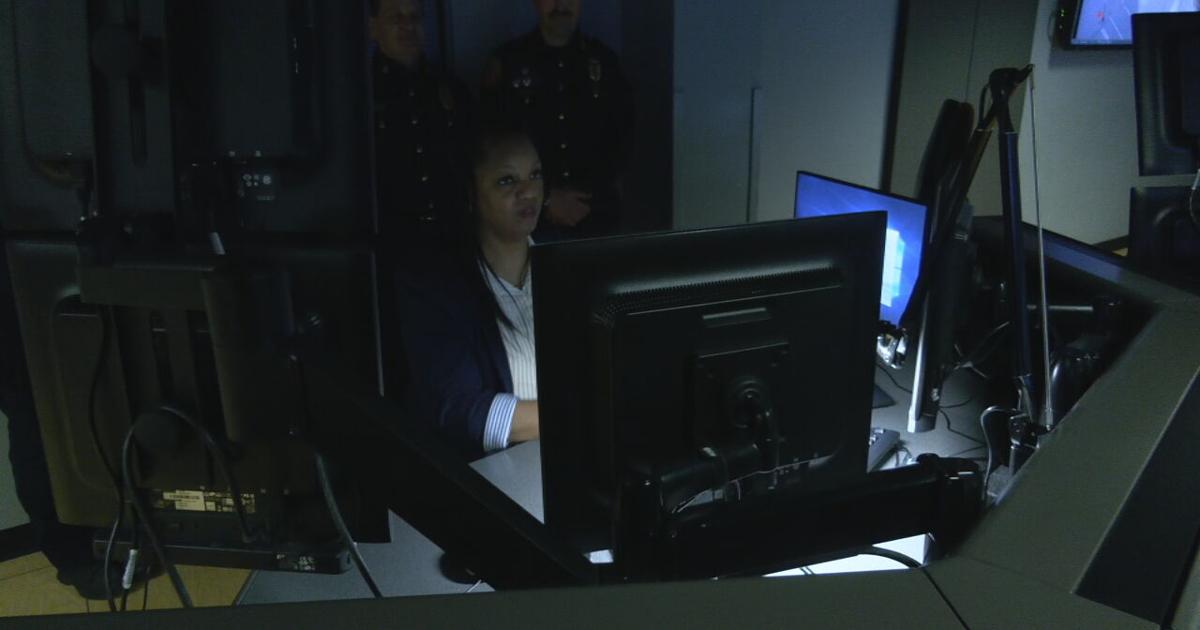
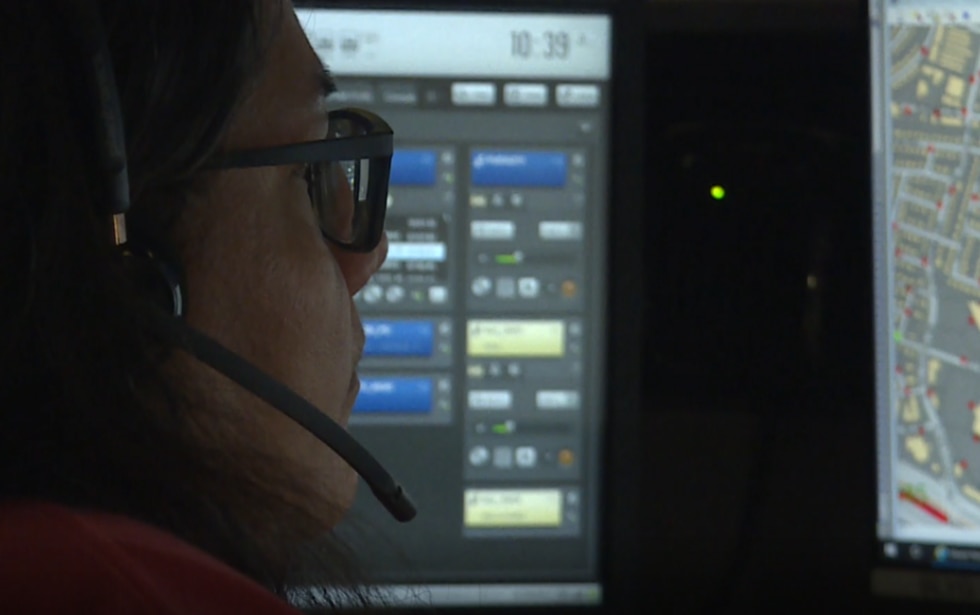
BELTON, Texas (KWTX) – There are fewer 911 call takers and dispatchers to respond to emergency calls at the Bell County Communication Center as a nationwide worker shortage slows down the hiring process.
The Bell County 911 Center in Belton received about 700 calls every day. That is where Cristina Partida has worked for 20 years as a call taker and dispatcher.
“I know its mostly behind the scenes, but you still help people,” Partida said. “You’re the first voice they hear.”
As rewarding as the job can be, the county told KWTX hiring people to be 911 operators has been difficult, especially, with a nationwide worker shortage…
by AllThingsECC.com | Mar 8, 2022 | Comm Center News
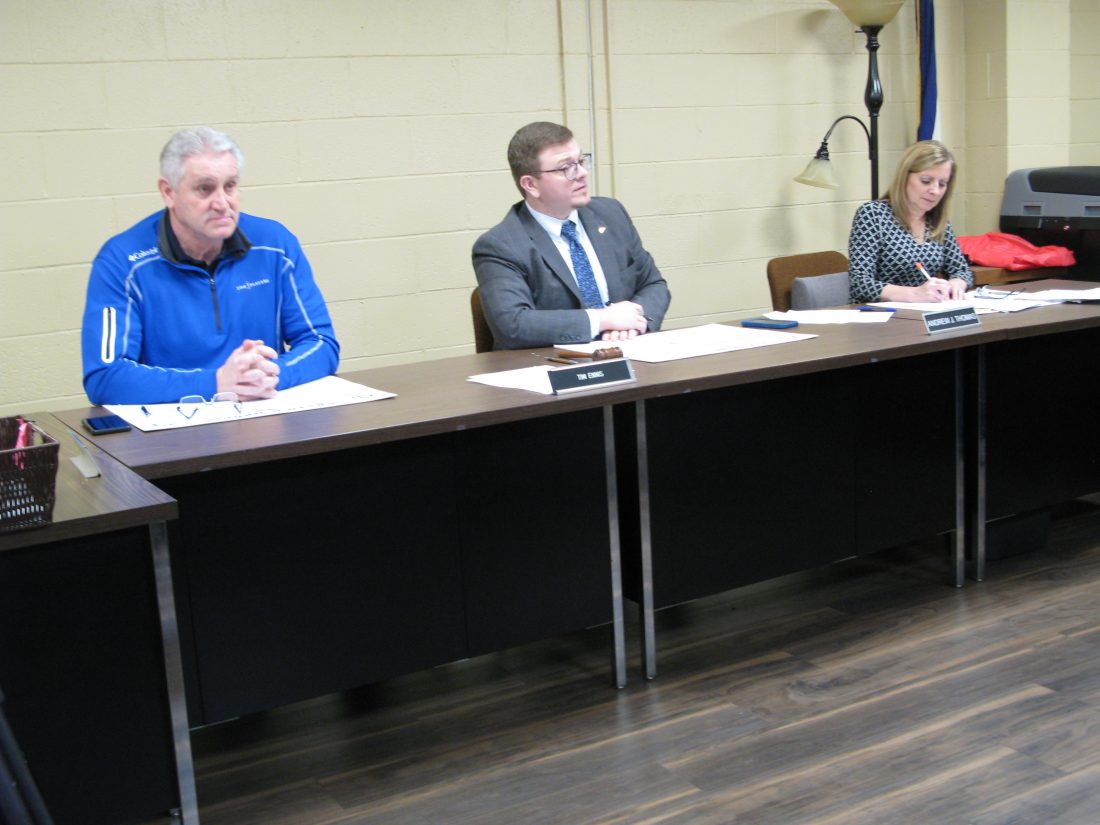
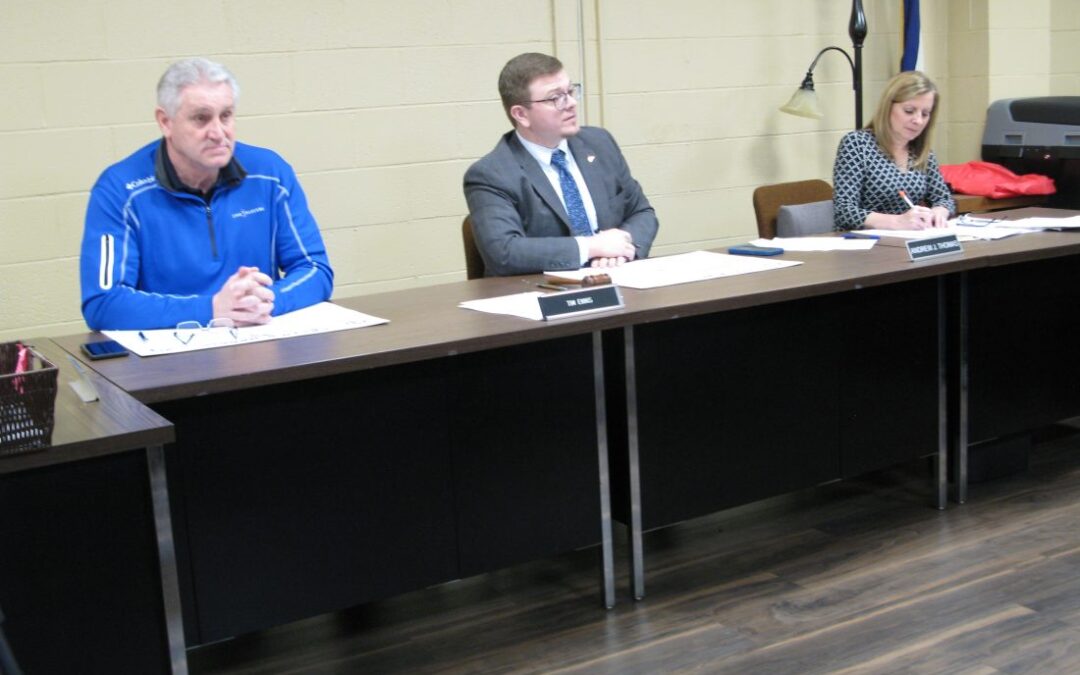
WELLSBURG — The Brooke County Commission has approved a $3,050,000 contract with Motorola Solutions to provide equipment for the county’s emergency 911 center and first responders.
The county commissioners said the contract approved Tuesday is for 10 years and includes an upgrade in five years, but the commission may opt out in any year while retaining ownership of the equipment, which will include hardware and software for computer-aided dispatching, phones and radios to be used by first responders…
by AllThingsECC.com | Mar 7, 2022 | Comm Center News
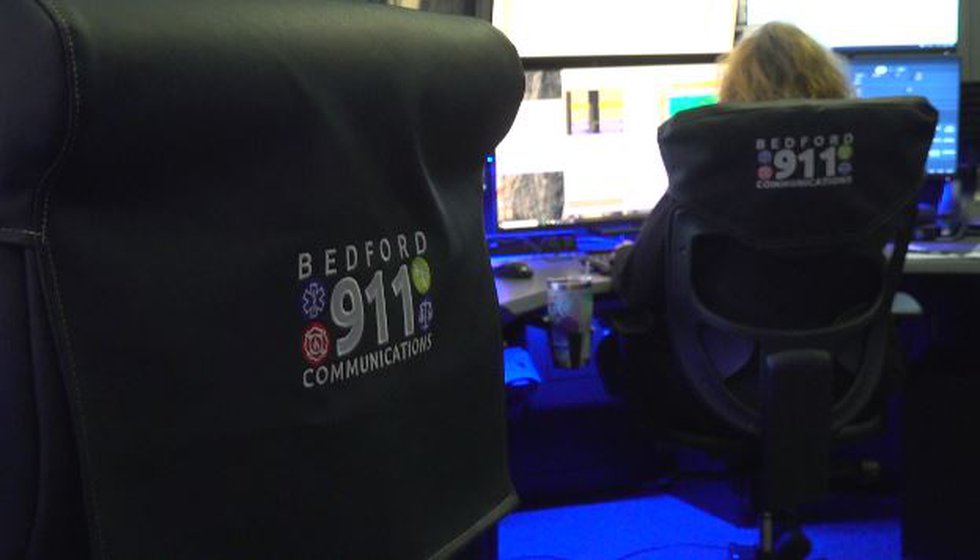
BEDFORD COUNTY, Va. (WDBJ) – 911 dispatchers are our first point of contact on some of our most difficult moments.
That’s why it’s so important that they have as many tools as possible to help.
“We are truly the first first responders,” says Judson Smith, Director of the Emergency Communications Center that serves Bedford County and the Town of Bedford.
This week, the Bedford 911 Communications Center got an upgrade. They received a new emergency medical dispatching system through the International Academy of Emergency Dispatch…
by AllThingsECC.com | Mar 7, 2022 | Comm Center News
LOUISVILLE, Ky. (WDRB) — The Jefferson County Fire Service honored an emergency dispatcher who saved a mother and two children last month.
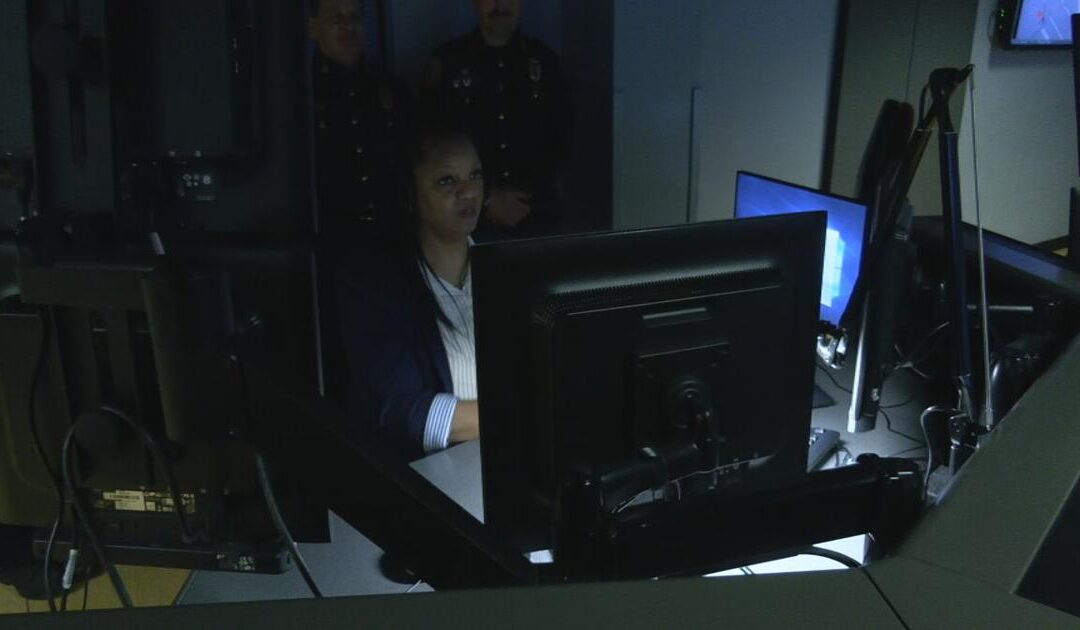
Chaka Mask, who works at MetroSafe, received a call about a fire at a mobile home on Minor Lane on Feb. 9.
Mask helped to calm the caller down and gave her instructions on how to get her two children out through the bathroom window. Firefighters were able to pull the woman out of the mobile home near Interstate 65 and Outer Loop…