by AllThingsECC.com | Jul 7, 2021 | Comm Center News
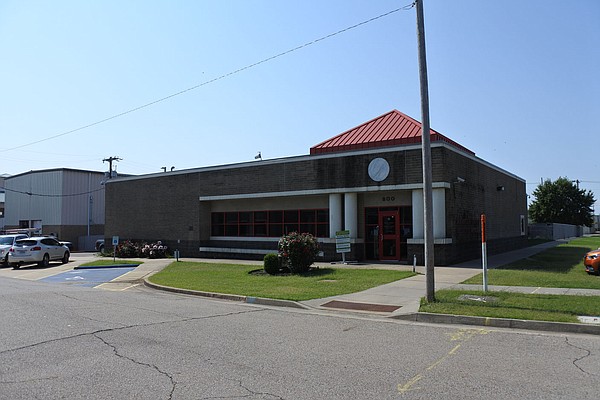
FORT SMITH — A study examining the feasibility of consolidating the 911 system in Sebastian County is moving forward again.
The Sebastian County 911 Board was briefed Tuesday by Crystal Lawrence of the Florida-based Association of Public-Safety Communications Officials International on the study that will look at consolidating the county’s three call centers.
“I don’t think it’s a question of is it feasible,” Lawrence said. “I think it’s more of a question of how we get there and what model we’re going to recommend.”
Call centers handle individual emergency service units, including police, fire and ambulance. County Administrator Jeff Turner said they are also called emergency communications centers…

by AllThingsECC.com | Jul 7, 2021 | Articles, Comm Center News
A new Senate bill, backed by 80 agriculture and other industry organizations, would ensure farmers and countless others who rely on GPS would not have to pay to fix interference issues created by Ligado Networks’ operation on the broadband spectrum.
U.S. Sens. Jim Inhofe (R-OK), Tammy Duckworth (D-IL), and Jack Reed (D-RI), and Mike Rounds (R-SD) introduced S. 2166, the Recognizing and Ensuring Taxpayer Access to Infrastructure Necessary for GPS and Satellite Communications Act, also known as RETAIN GPS and Satellite Communications Act.
In the letter, the organizations emphasized the importance of GPS for our society. “The reliability of GPS and satellite communications is necessary for safety of life operations, national security and economic activity; critical communications capabilities; commercial and civil aviation; first responders, 9-1-1 and other public safety operators; military readiness and communications; weather forecasting; the movement of goods on our highways; the marking maritime harbors and channels; farmers planting and harvesting crops; operation of construction and mining equipment—and the list goes on and on…
by AllThingsECC.com | Jul 7, 2021 | Comm Center News
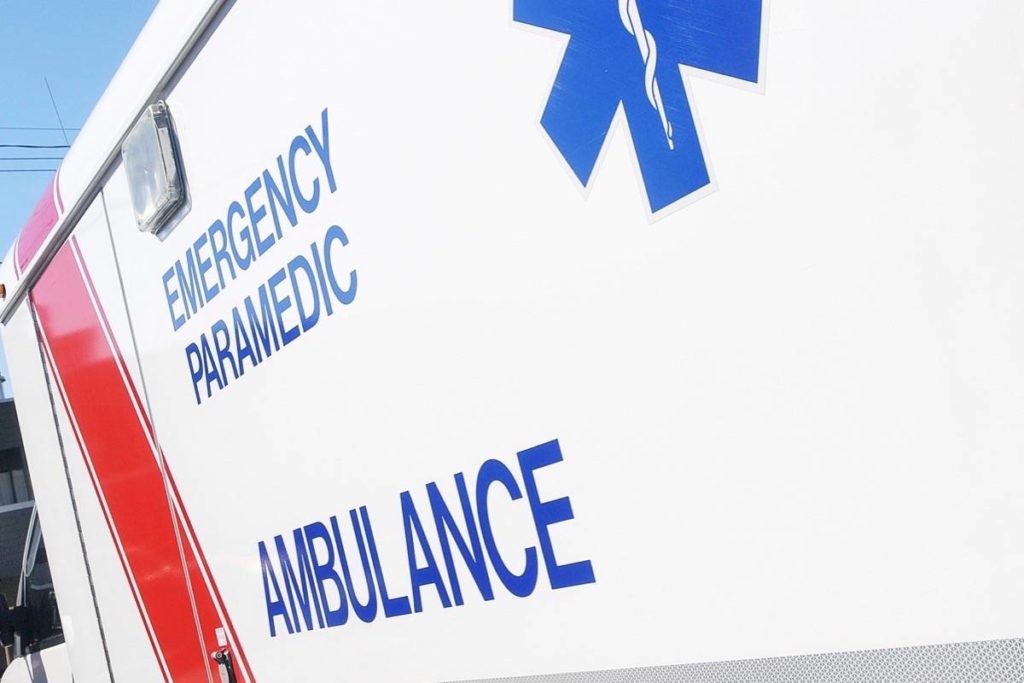
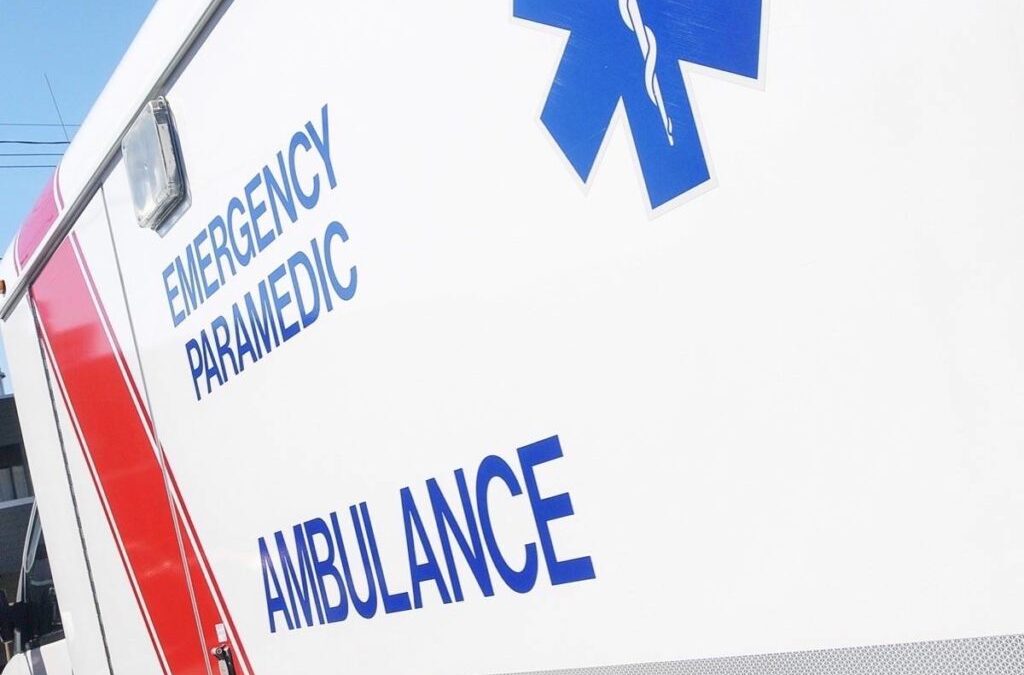
When Grant Davey’s mother fell on the back patio of her Maple Ridge home while watering her hanging baskets, she was seriously injured. The 86-year-old was in a lot of pain and could hardly move. However, she managed to drag herself up the two steps to get inside her home, where she reached her phone and called Davey’s brother for help.
In turn, on that Tuesday, June 29 at about 5:39 p.m., Davey’s brother called 9-1-1 and was told an ambulance was on its way. Then he called Davey. In a letter that Davey written to B.C. Premier John Horgan and Health Minister Adrian Dix, he described the unimaginable timeline of what happened next.
Her sons kept calling the 9-1-1 dispatch about once an hour to check on the ETA of an ambulance…
by AllThingsECC.com | Jul 7, 2021 | Comm Center News
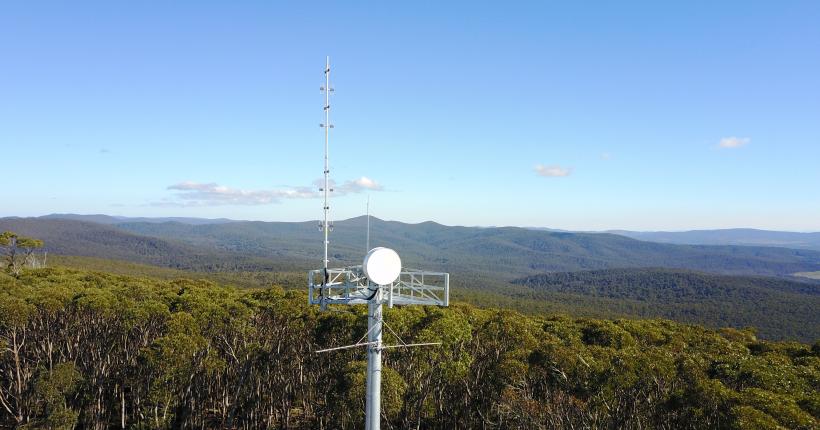
New Public Safety Network (PSN) radio sites at The Entrance and Wadalba are a major boost in operational and mission critical communications coverage for emergency services.
The new radio infrastructure allows crews from Rural Fire Service, Police, Fire and Rescue, Ambulance and the State Emergency Service, to all communicate on a single, integrated network.
Next to Australia’s triple zero emergency hotline, the PSN is the most critical communications network in NSW.
The new local radio sites are two of 150 across the state, under the NSW Government’s Critical Communications Enhancement Program (CCEP) and delivered by NSW Telco Authority…
by AllThingsECC.com | Jul 7, 2021 | Articles, Comm Center News
By Michael Varney, Director of Stakeholder Collaboration, First Responder Network Authority
Natural disasters and other incidents, large or small, magnify the importance of secure, reliable communications. Network congestion, infrastructure damage, and incompatible radio networks are all problems that prevent responding teams from effectively communicating. In response to these challenges, Congress created the nationwide public safety broadband network, FirstNet, in 2012.
READ FULL ARTICLE
by AllThingsECC.com | Jul 6, 2021 | Comm Center News
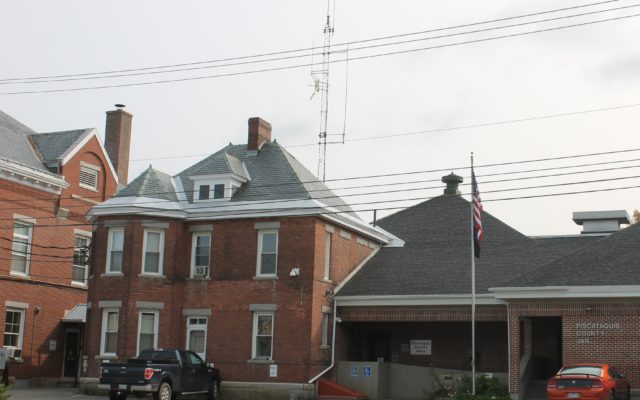
DOVER-FOXCROFT — Upgrades cited in the first phase of a feasibility study for a Piscataquis County public safety radio system will cost $4,994,080. This does not include a potential move of the Piscataquis County Sheriff’s Office dispatch center out of the cramped conditions inside the jail in Dover-Foxcroft and up Route 15 into the patrol and investigations division building in Guilford.
“This is to get the system up to a prime working system,” Piscataquis County Emergency Management Agency Director Tom Capraro told the county commissioners during a July 6 meeting. He said the price tag is in the $5 million to $6 million range that was estimated before the study commenced…